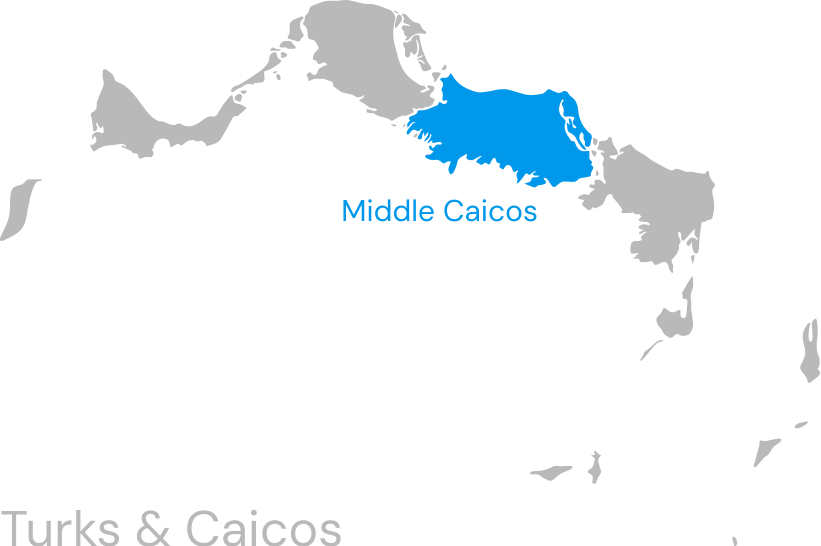
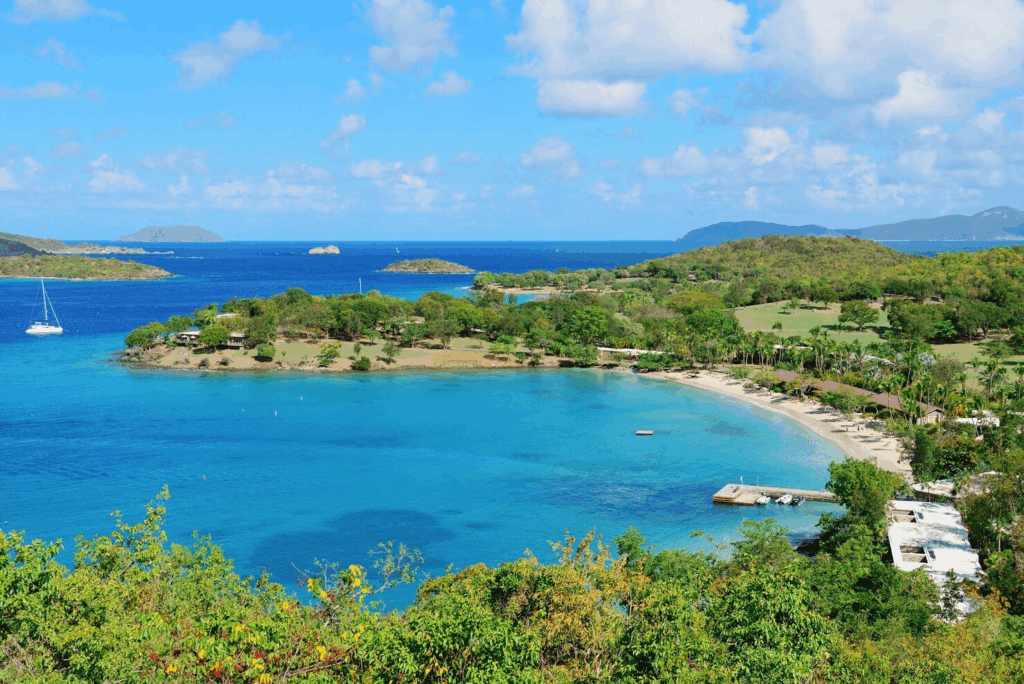
Middle Caicos is the most remote and least developed populated island in Turks & Caicos. It is not for first-time Caribbean travelers. It is not for travelers who need restaurants, cell service, or concierge desks. It is for travelers who want to experience a Caribbean island that has barely changed in decades. Understand what you are signing up for.
There Are No Real Towns
Middle Caicos has small settlements: Bambarra, Lorimers, and Conch Bar. “Settlement” means a few houses, maybe a small shop, and a population measured in dozens. Do not expect grocery stores, gas stations, or restaurants beyond occasional local spots with inconsistent hours.
Bring Everything You Need
There are no grocery stores of significance on Middle Caicos. No pharmacies. No medical facilities. Bring all food, drinks, snacks, medications, sunscreen, insect repellent, and supplies for your entire stay. The nearest real grocery store is on Providenciales. Your private charter can accommodate coolers and supplies.
A 4×4 Is Not Optional
Some of the best locations on Middle Caicos (Haulover Beach, Indian Cave, parts of the Crossing Place Trail trailhead) require driving on unpaved, rough roads. A standard rental car may not be sufficient. Rent a 4×4 or SUV on North Caicos before crossing the causeway.
The Causeway Is Safe but Exposed
The causeway connecting North Caicos to Middle Caicos is paved and well-maintained. It crosses open water and mangroves. In normal weather, it is perfectly safe. During tropical storms or high winds, the causeway can flood or become impassable. Check conditions before crossing.
Cell Service Is Extremely Limited
Do not rely on cell service on Middle Caicos. Signal is weak near the settlements, nonexistent at Mudjin Harbour, the caves, and most beaches. Download offline maps, offline entertainment, and emergency contacts before arriving. The nearest reliable cell service is on Providenciales.
Mosquitoes and No-See-Ums Are Severe
Middle Caicos has more standing fresh water and vegetation than any other island in Turks & Caicos. Mosquitoes are present year-round and can be overwhelming after rain. No-see-ums are active at dawn and dusk. Bring strong repellent (DEET-based recommended). Consider wearing long sleeves and pants at dusk.
There Are No Restaurants (with Reliable Hours)
Middle Caicos has occasional food options—a small cafe might be open, a local cook might offer conch fritters, a bar might serve lunch. Do not plan your day around finding food. Bring your own meals and snacks. The Mudjin Bar & Grill at Mudjin Harbour is the most reliable option, but even that has inconsistent hours.
Accommodation Is Extremely Limited
Middle Caicos has a handful of rental villas, one small inn (the Conch Bar Caves Inn, basic), and a few eco-lodges. Book well in advance. Do not expect luxury. Do expect clean, simple accommodations in an extraordinary natural setting.
The North Shore Is Rough, the South Shore Is Calm
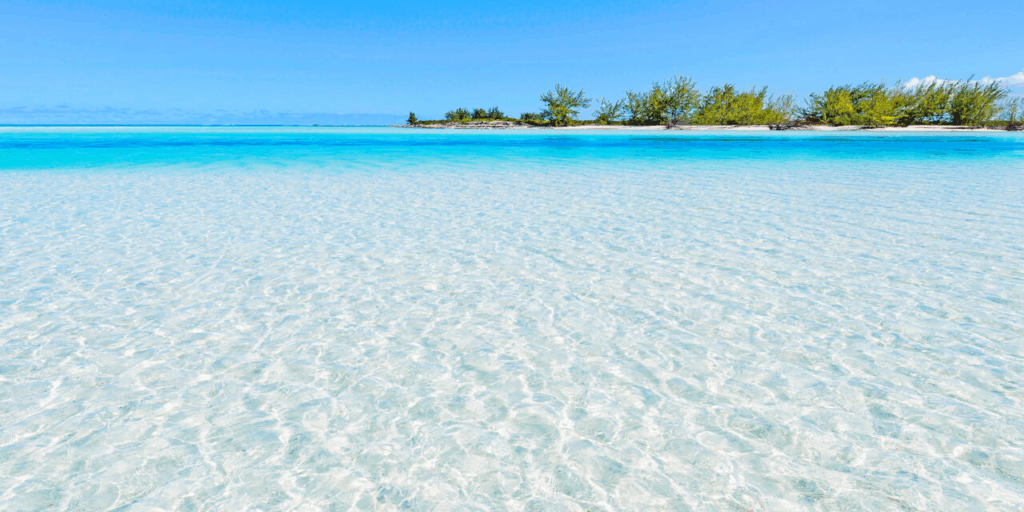
The Atlantic side (north shore) features dramatic cliffs, waves, and rough water. Swimming is dangerous here. The Caicos Bank side (south shore) features calm, shallow, protected water. Swim at Bambarra Beach or other south shore locations. Know the difference.
The Caves Require Preparation
Conch Bar Caves tours require advance arrangement (ask at the Conch Bar Caves Inn or check locally). Indian Cave is undeveloped and requires a flashlight, sturdy shoes, and caution. Do not enter either cave alone. Do not touch formations. Leave nothing behind.
US Dollars Are the Currency
Same as the rest of Turks & Caicos. The official currency is the US dollar. Credit cards are not widely accepted on Middle Caicos. Bring enough cash for your entire stay.
Hurricane Season Runs June 1 to November 30
Peak risk is September through October. Middle Caicos is in the Atlantic hurricane belt. The causeway can become impassable during storms. Travel insurance is strongly recommended during these months. Monitor weather forecasts before departure.
What to Pack Specifically for Middle Caicos
Reef-safe sunscreen (mineral-based), polarized sunglasses, wide-brimmed hat, lightweight long-sleeved shirts for sun protection, rash guard, swimwear, water shoes (for caves and rocky edges), insect repellent (strong, DEET-based recommended), flashlight or headlamp (essential for Indian Cave), sturdy closed-toe shoes (for caves and hiking), binoculars (for birdwatching), enough food and water for your entire stay, cash (credit cards not reliable), and a sense of adventure (non-negotiable).