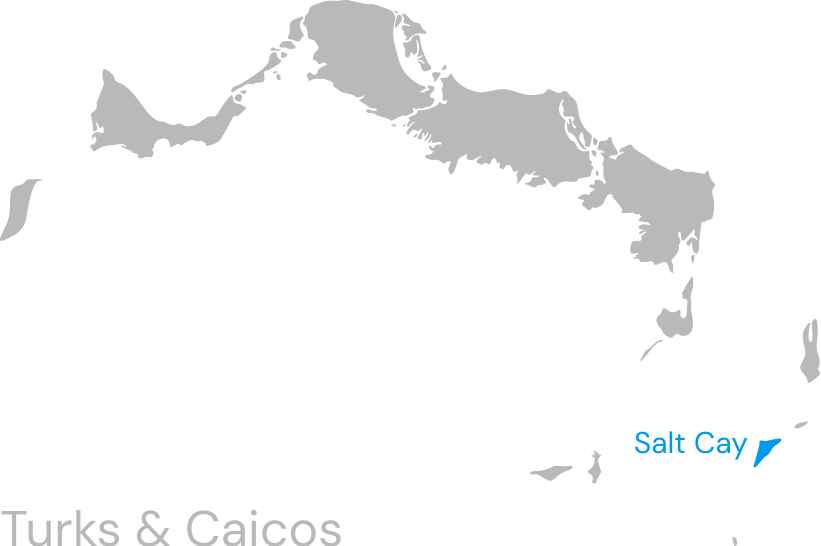
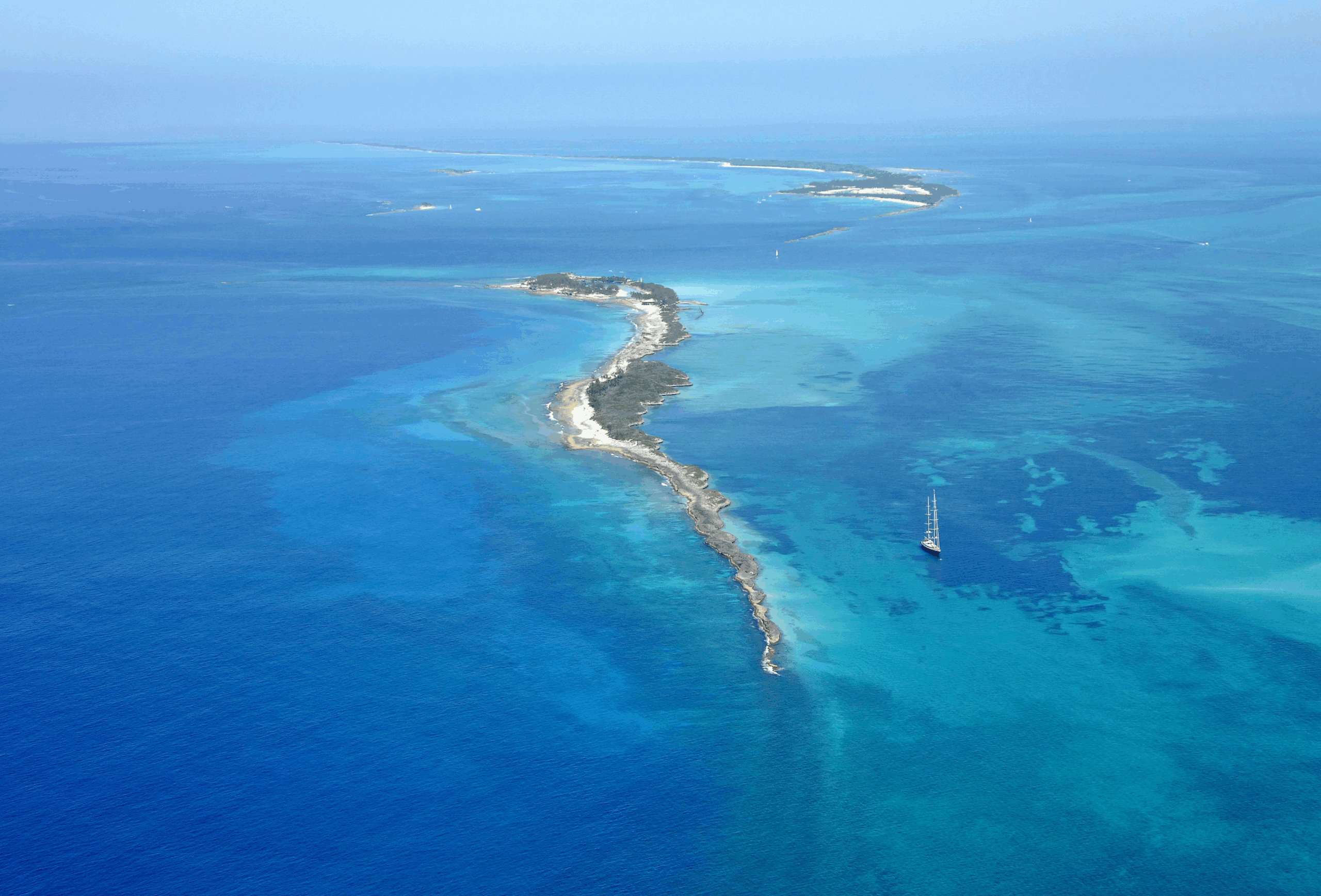
Salt Cay is the quietest and most remote populated island in Turks & Caicos. Success here depends entirely on understanding its limitations and embracing its simplicity.
The Island Is Tiny—Walk Everywhere
Salt Cay is just over two square miles. You can walk across it in under an hour. Most visitors never need a vehicle. Golf carts are available for those who want them, but walking is the best way to experience the island’s pace.
Bring Everything You Need
Salt Cay has one small grocery store with very limited selection. No pharmacy. No medical facilities. No ATM (reliably). Bring all food, drinks, snacks, medications, sunscreen, insect repellent, and cash for your entire stay.
Restaurants Are Few and Inconsistent
Salt Cay has a handful of small, local restaurants, often operating out of someone’s home or a small roadside stand. Hours are unpredictable. Menus depend on what was caught or delivered. Do not plan your day around finding food. Bring your own meals and snacks as a backup.
Accommodation Is Extremely Limited
Salt Cay has a few guesthouses and rental villas. Book well in advance. Do not expect luxury. Do expect clean, simple accommodations in an extraordinary natural setting.
US Dollars Are the Currency
Same as the rest of Turks & Caicos. Credit cards are not widely accepted on Salt Cay. There is no reliable ATM. Bring enough cash for your entire stay—including meals, incidentals, and any guide services.
Cell Service Is Very Limited
Do not rely on cell service on Salt Cay. Coverage is weak and inconsistent. Wi-Fi is limited. Download offline maps, offline entertainment, and emergency contacts before arriving. The island is a place to disconnect.
Mosquitoes and No-See-Ums Are Present
The salt ponds breed mosquitoes. Repellent is essential, especially at dawn and dusk. Oceanfront breezes help, but do not rely on them.
Whale Season (January to March) Is Special
If you visit between January and March, spend time at North Beach watching for humpback whales. The channel between Salt Cay and Grand Turk concentrates the migration. No boat needed. Binoculars recommended.
The Salt Ponds Are Protected
The historic salt salinas are fragile and protected. Do not walk on them. Do not disturb the birds. Observe from the edges. The ponds are part of what makes Salt Cay special; help preserve them.
Hurricane Season Runs June 1 to November 30
Peak risk is September through October. Salt Cay is in the Atlantic hurricane belt. The island is low-lying and vulnerable to storms. Travel insurance is strongly recommended during these months. Monitor weather forecasts before departure.
Sunday Is Very Quiet
Most restaurants, shops, and services close on Sunday. The island slows down almost to a halt. Plan accordingly.
What to Pack Specifically for Salt Cay
Reef-safe sunscreen (mineral-based), polarized sunglasses, wide-brimmed hat, lightweight long-sleeved shirts for sun protection, swimwear, water shoes, insect repellent (strong, DEET-based recommended), binoculars (for whales and birds), flashlight or headlamp, enough cash for your entire stay, enough food and water for your entire stay, and a willingness to slow down (non-negotiable).
Temperatures by Season
December to February: 72°F to 80°F (22°C to 27°C). Cooler evenings with lower humidity. Whale season begins.
March to May: 75°F to 84°F (24°C to 29°C). Warm, dry conditions with calm water and excellent beach weather.
June to August: 80°F to 89°F (27°C to 32°C). Hot and humid with occasional afternoon showers and warm ocean temperatures.
September to November: 78°F to 86°F (26°C to 30°C). Hurricane risk peaks September through October. Fewer visitors and quieter conditions across the island.