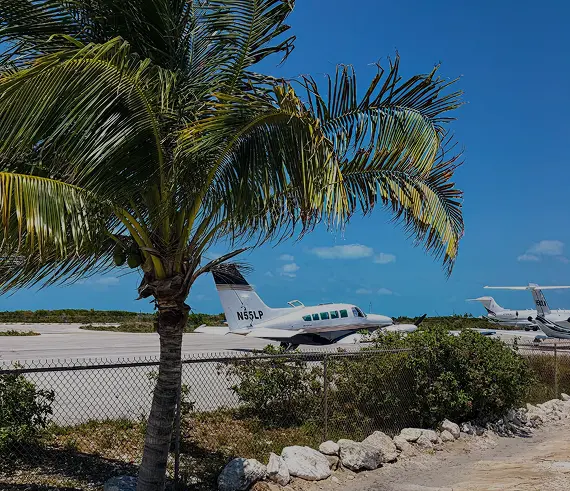
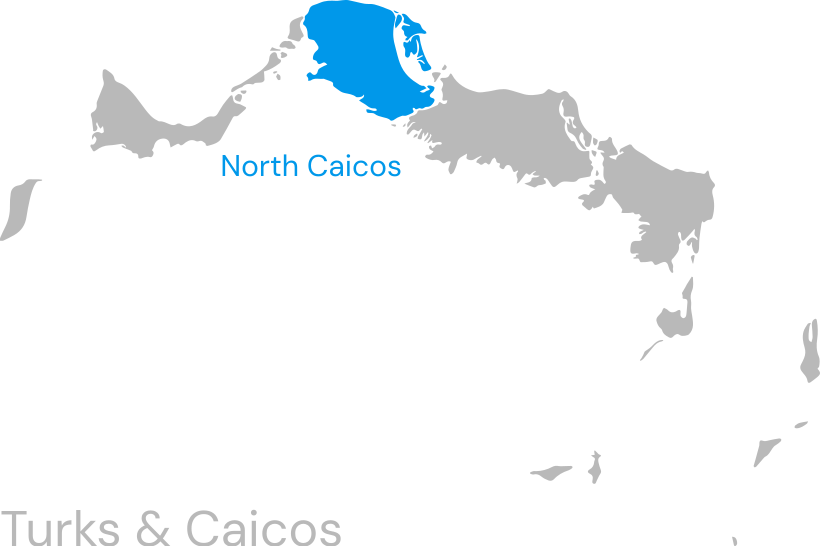
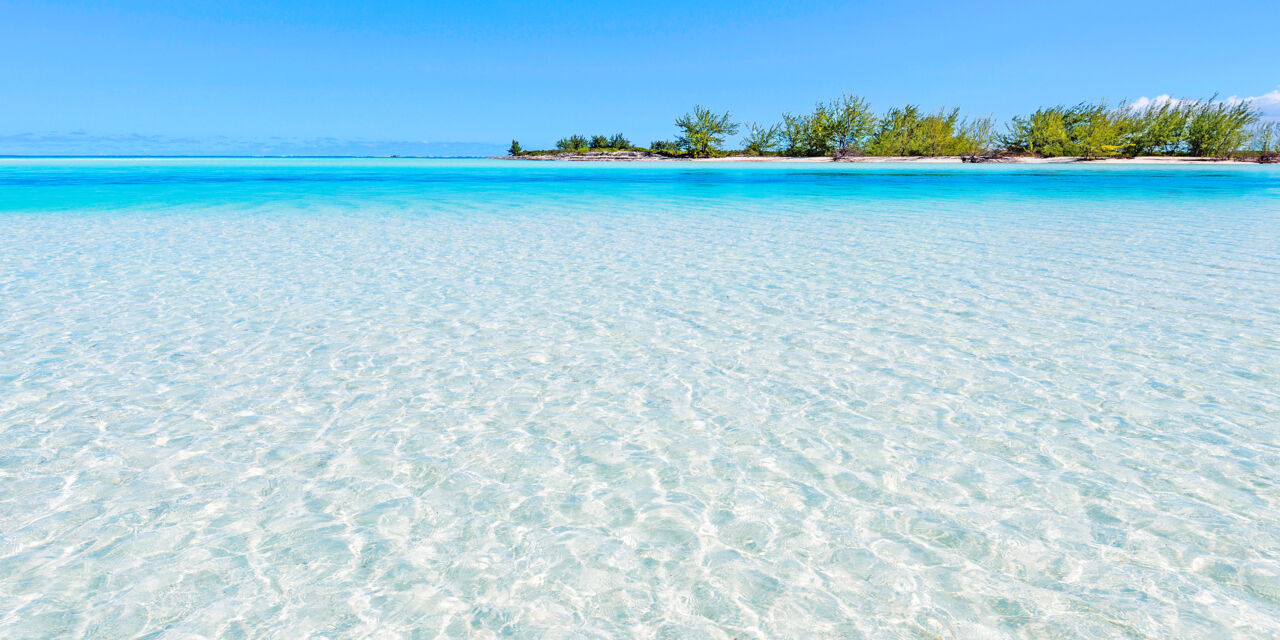
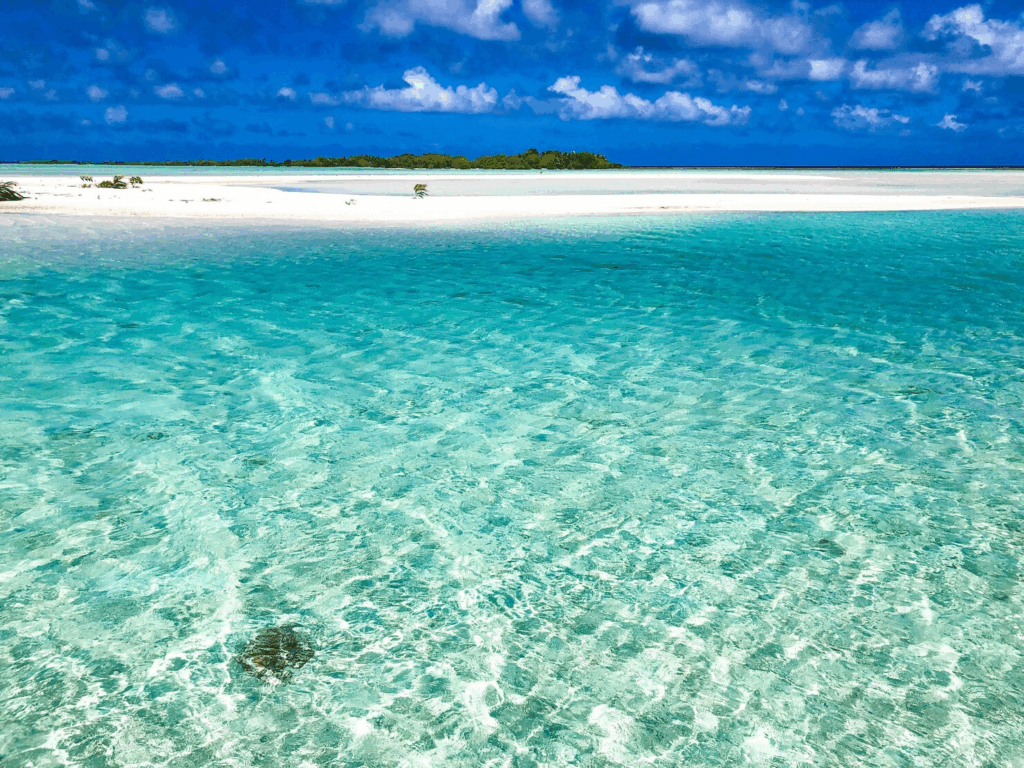
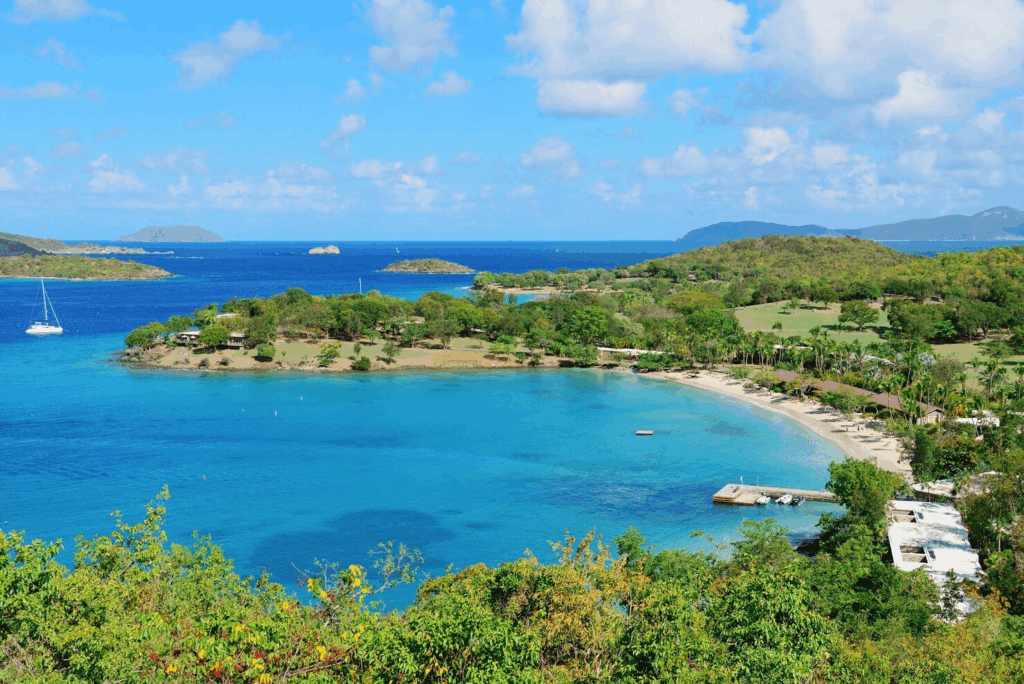
North Caicos is different from Providenciales. It is different from Grand Turk. It is significantly quieter, more spread out, and less serviced than any other populated island in Turks & Caicos. Travelers who appreciate raw, undeveloped environments will love it. Travelers expecting restaurants, nightlife, or concierge service will struggle. Understand the difference before you book.
Rent a Car—This Is Not a Walking Island
North Caicos has no ride-share services. Taxis are extremely limited. The island is best explored by rental car. Stick to a jeep or small SUV—some roads are unpaved. Drive on the left. The causeway to Middle Caicos is paved and well-maintained.
Bring Supplies from Providenciales
North Caicos has small grocery stores, but the selection is limited, and prices are high. Stock up on groceries, drinks, snacks, and any specialty items at the Graceway IGA in Provo before departing. Your private charter can accommodate luggage and supplies without baggage fees.
Restaurants Are Few and Informal
North Caicos has a handful of small, local restaurants (often called “shacks” or “cafes”). Hours are inconsistent. Menus depend on what was caught or delivered. Do not expect fine dining. Do expect fresh conch, grilled fish, and friendly service. The Barracuda Beach Bar and Mudjin Bar & Grill (Middle Caicos) are reliable options.
Accommodation Is Basic
North Caicos has small guesthouses, rental villas, and a few beachfront cottages. There are no luxury resorts. No spas. No swim-up bars. Accommodations are clean, comfortable, and simple. This is part of the island’s appeal. Embrace the simplicity.
The Causeway to Middle Caicos Is a Must-Do
The drive across the causeway to Middle Caicos takes approximately 20–30 minutes from Whitby Beach. Middle Caicos offers dramatic limestone cliffs, the Mudjin Harbour overlook, and even more remote beaches. Plan at least a half-day to explore both islands.
Flamingos Are Hit or Miss
Flamingo Pond hosts flamingos year-round, but their presence depends on water levels and season. Winter months (December–March) offer the best chances. Even without flamingos, the pond attracts a variety of wading birds. Bring binoculars.
Mosquitoes and No-See-Ums Are Significant
North Caicos has more standing fresh water and vegetation than Provo, which means more biting insects. Mosquitoes are present year-round and aggressive after rain. No-see-ums are active at dawn and dusk. Repellent is essential. Long sleeves and pants at dusk are recommended.
Cell Service Is Limited
Major U.S. carriers offer roaming on North Caicos, but coverage is weaker than Provo. Expect signal near Whitby Beach and the airport. Offshore, inland, or on Middle Caicos, service drops significantly. Download offline maps and entertainment before arrival.
US Dollars Are the Currency
Same as the rest of Turks & Caicos. The official currency is the US dollar. Credit cards are accepted at some hotels and the larger restaurants. Smaller establishments and the grocery stores prefer cash. Bring enough cash for your stay.
Hurricane Season Runs June 1 to November 30
Peak risk is September through October. North Caicos is in the Atlantic hurricane belt. Travel insurance is strongly recommended during these months. Monitor weather forecasts before departure.
Sunday Is Very Quiet
Most restaurants, small shops, and services close on Sunday. The grocery stores may have limited hours. Plan accordingly if arriving on a Sunday. Stock up on supplies on Saturday.
What to Pack Specifically for North Caicos
Reef-safe sunscreen (mineral-based), polarized sunglasses, wide-brimmed hat, lightweight long-sleeved shirts for sun protection, rash guard, swimwear (multiple sets), water shoes (for rocky edges and caves), insect repellent (strong, DEET-based recommended for evenings), flashlight or headlamp (for Indian Cave), binoculars (for birdwatching), comfortable walking sandals, and a good book (you will have time to read).