South Caicos is a working fishing island, not a polished tourist destination. Travelers who appreciate authenticity, solitude, and the rhythm of a maritime community will find it deeply rewarding. Travelers expecting resorts, fine dining, or nightlife will be disappointed. Understand the character of the island before you book.
This Is a Working Fishing Port
Cockburn Harbour is not a picturesque tourist village. It is a working harbor. Fishing boats come and go. Conch shells pile up. The smell of salt and diesel is real. The locals are friendly and welcoming, but the island does not exist to serve tourists. Respect that dynamic.
Bring Everything You Need
South Caicos has limited supplies. There are small grocery stores with basic items, but selection is minimal and prices are high. Bring all medications, sunscreen, insect repellent, snacks, and any specialty items. Anglers should bring all fishing gear (though guides can provide some equipment).
Restaurants Are Few and Informal
South Caicos has a handful of small, local restaurants, often serving fresh conch, lobster (in season), and grilled fish. Hours are inconsistent. Do not expect fine dining. Do expect fresh, honest food served with genuine hospitality. The local bars and cafes near the harbor are the best bets.
Accommodation Is Basic and Limited
South Caicos has small guesthouses and a few rental villas. The largest accommodation has fewer than 20 rooms. There are no luxury resorts, no spas, no swim-up bars. Accommodations are clean, comfortable, and simple. This is part of the island’s charm. Book well in advance.
Bonefishing Is World-Class
Bell Sound and the surrounding flats offer some of the most unpressured bonefishing in Turks & Caicos. The fish here see fewer anglers than on Provo or Grand Turk. Local guides know the waters. Permit and tarpon are also present. A bonefishing trip to South Caicos is worth the journey alone.
Protected Waters Mean Excellent Snorkeling
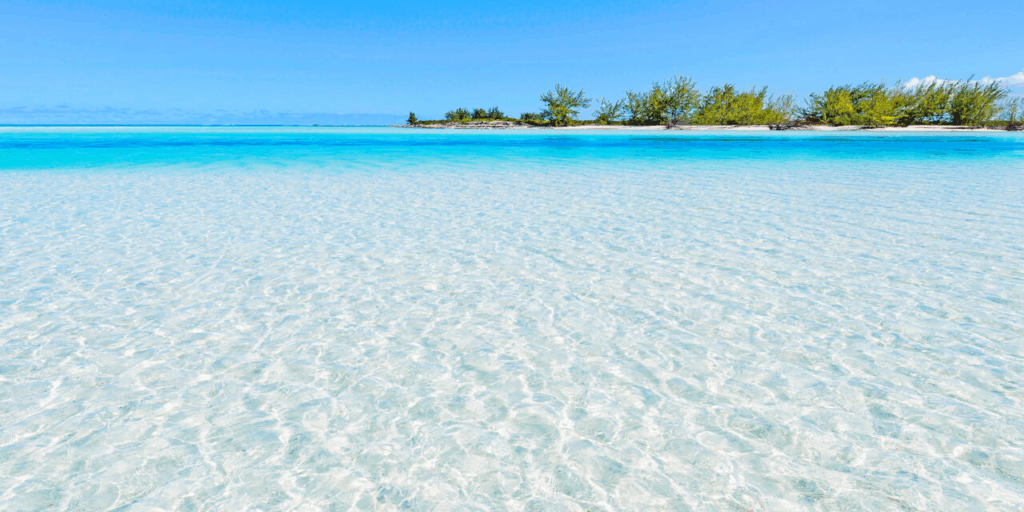
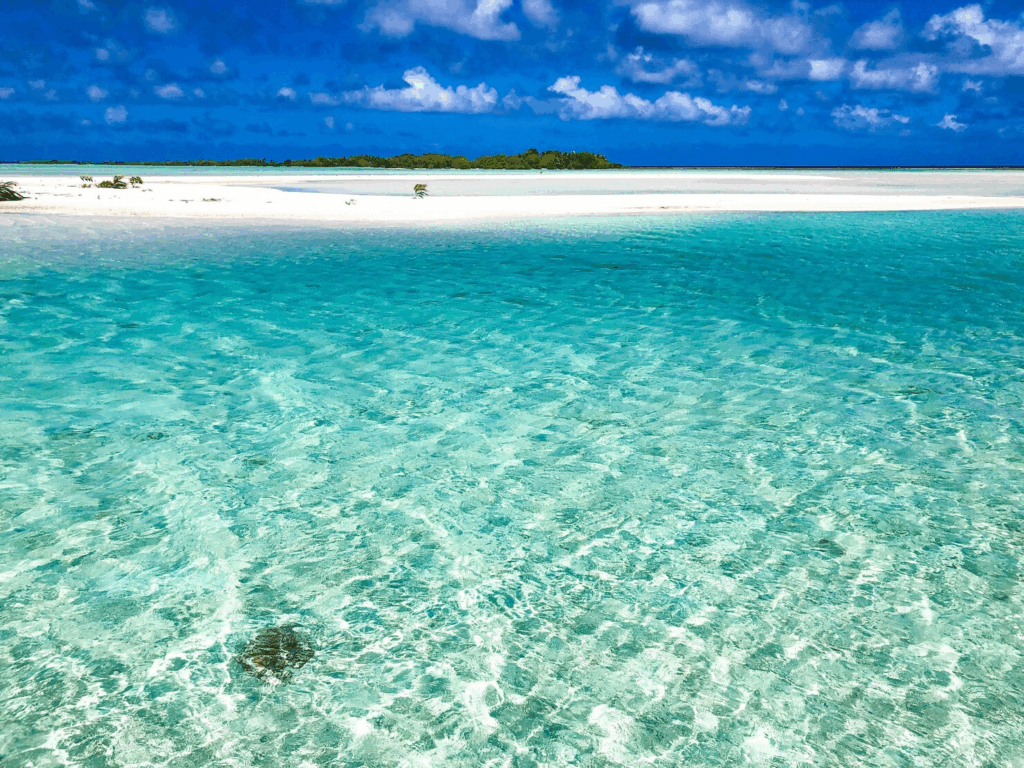
The Admiral Cockburn Land and Sea National Park protects extensive seagrass beds, mangroves, and patch reefs. The water is exceptionally clear. Snorkelers can expect sea turtles, rays, and countless tropical fish. Boat charters can be arranged locally.
Cell Service Is Limited
Major U.S. carriers offer roaming on South Caicos, but coverage is weaker than Provo. Expect signal near Cockburn Harbour. Offshore, on Long Beach, or on the water, service drops significantly. Download offline maps and entertainment before arrival.
Mosquitoes and No-See-Ums Are Present
South Caicos has mosquitoes and no-see-ums, especially near the salt salinas and after rain. Repellent is essential. Oceanfront breezes help, but do not rely on them.
The Salt Salinas Attract Flamingos
The inactive salt pans on South Caicos often host flamingos, herons, egrets, and other wading birds. The best viewing is early morning or late afternoon. Bring binoculars.
US Dollars Are the Currency
Same as the rest of Turks & Caicos. The official currency is the US dollar. Credit cards are not widely accepted on South Caicos. Bring enough cash for your entire stay—including meals, incidentals, and guide services.
Hurricane Season Runs June 1 to November 30
Peak risk is September through October. South Caicos is in the Atlantic hurricane belt. Travel insurance is strongly recommended during these months. Monitor weather forecasts before departure.
Sunday Is Quiet
Most restaurants, shops, and services close on Sunday. The island slows down significantly. Plan accordingly if arriving on a Sunday.
What to Pack Specifically for South Caicos
Reef-safe sunscreen (mineral-based), polarized sunglasses, wide-brimmed hat, lightweight long-sleeved shirts for sun protection, rash guard, swimwear, water shoes (for flats and boat docks), insect repellent (strong, DEET-based recommended), fishing gear (rods, reels, flies, leaders), binoculars (for birdwatching), enough cash for your entire stay, and a flexible, patient attitude (the island runs on its own time).
Temperatures by Season
December to February: 72°F to 80°F (22°C to 27°C). Cooler evenings with lower humidity. Ideal for fishing, diving, and long beach walks.
March to May: 75°F to 84°F (24°C to 29°C). Warm, dry conditions with calm water and excellent visibility.
June to August: 80°F to 90°F (27°C to 32°C). Hot and humid with occasional afternoon showers. Water temperatures are at their warmest.
September to November: 78°F to 86°F (26°C to 30°C). Hurricane risk peaks September through October. Fewer visitors and quieter conditions across the island.