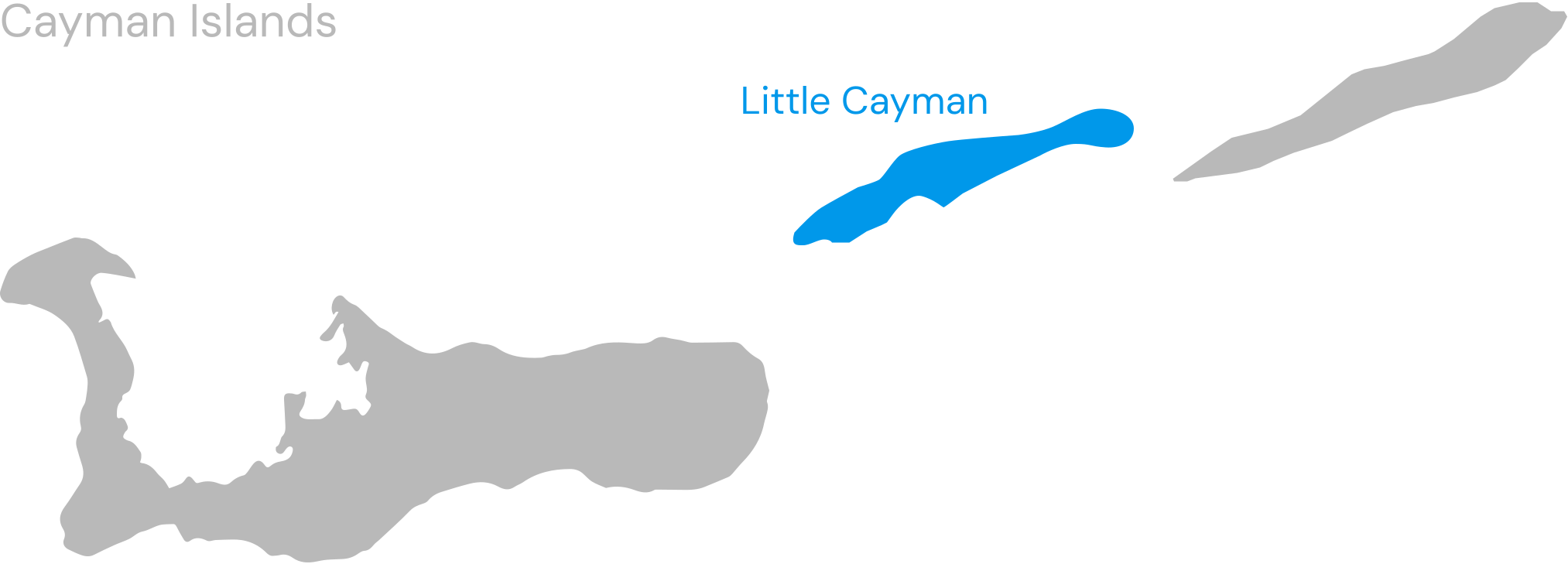
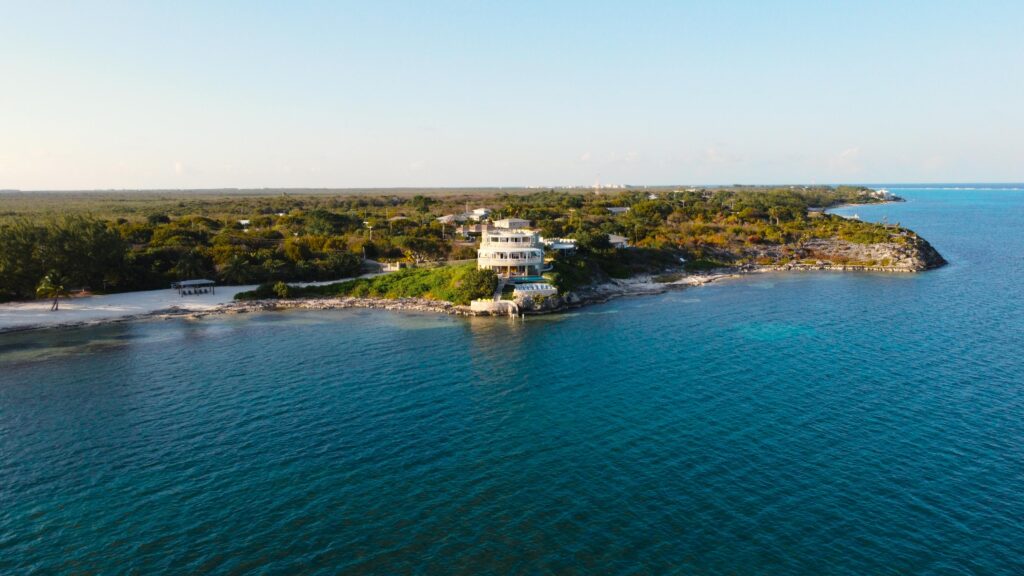
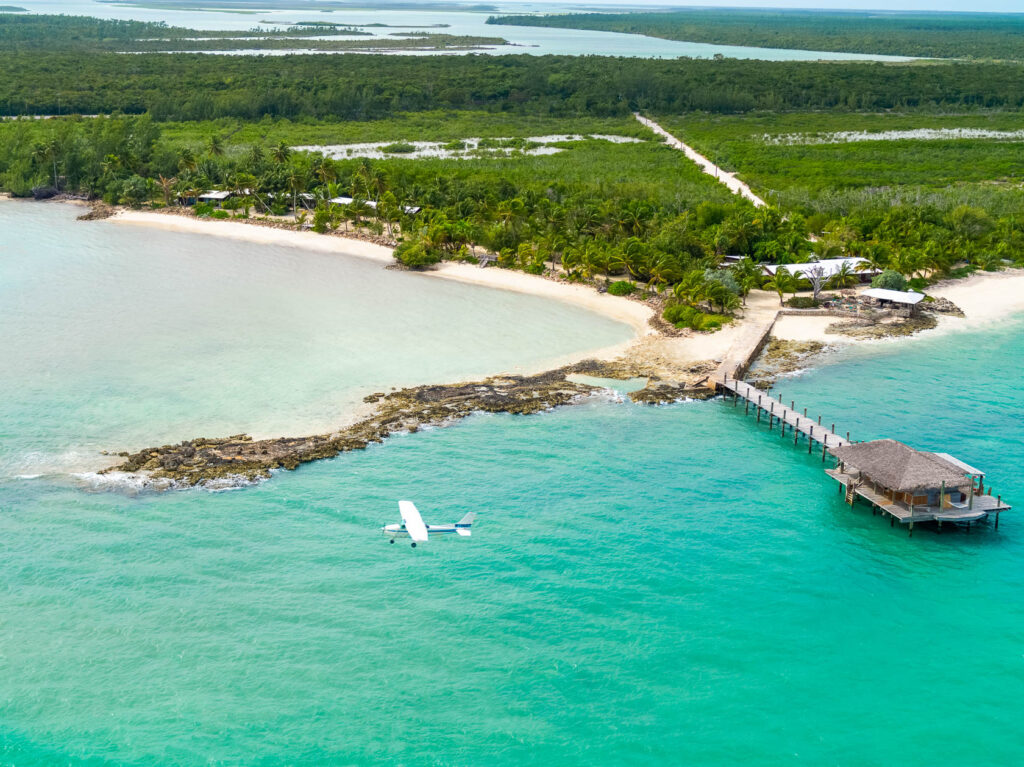
Little Cayman is the quietest and most remote of the Cayman Islands. It is not for travelers who need restaurants, nightlife, or luxury shopping. It is for divers, birdwatchers, and anyone seeking genuine stillness.
Rent a Car or Golf Cart—The Island Is Small but Spread Out
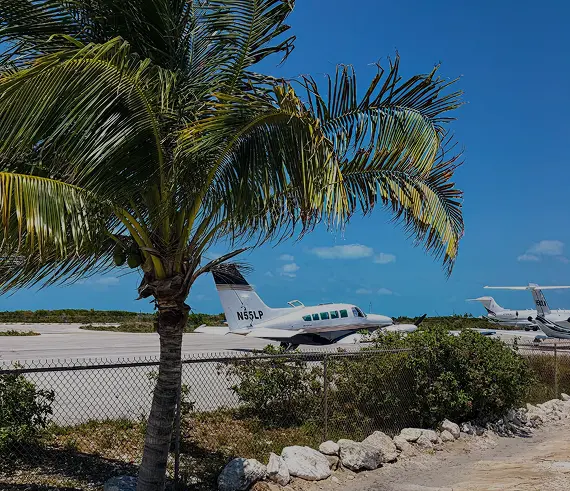
Little Cayman is 10 miles long and 1 mile wide. The airfield is on the south coast. The best dive sites are on the north coast. Point of Sand is on the east end. A rental car or golf cart is essential. Roads are paved but narrow. Golf carts are sufficient for most travelers.
Bring Everything You Need
Little Cayman has one small grocery store with very limited selection. No pharmacy. No medical facilities beyond a small clinic. Bring all medications, sunscreen, insect repellent, snacks, and any specialty items from Grand Cayman or the mainland.
Restaurants Are Very Few
Little Cayman has a handful of dining options: the restaurants at Southern Cross Club, Little Cayman Beach Resort, and Pirate’s Point. Hours are consistent by island standards but limited compared to the mainland. Meals are often included in resort packages. Plan accordingly.
Accommodation Is Simple but Comfortable
Little Cayman has two small resorts (Southern Cross Club, Little Cayman Beach Resort), a few rental villas, and Pirate’s Point (a small hotel). There are no luxury mega-resorts. Accommodations are clean, comfortable, and focused on the outdoors. This is part of the island’s charm.
Diving Is the Main Event—Book in Advance
Bloody Bay Wall and Jackson’s Point are world-class. Dive operators (Little Cayman Diver II, Reef Divers, Southern Cross Club) book up well in advance, especially during peak season (December–April). Reserve your dive spots before you book your flight.
Bloody Bay Wall Is Protected—And It Shows
The wall is part of a protected marine reserve. Fishing is prohibited. Anchoring is restricted. The result is healthy coral, large fish populations, and diver experiences that rival anywhere in the Caribbean. Respect the rules. Take only pictures.
Birdwatching at Booby Pond Is a Must
The red-footed booby colony at Booby Pond Nature Reserve is one of the largest in the Caribbean. The viewing platform allows close observation without disturbing the birds. Visit early morning or late afternoon for the best activity. Bring binoculars.
Cell Service Is Limited
Major U.S. carriers offer roaming on Little Cayman, but coverage is weaker than Grand Cayman. Expect signal near Blossom Village and the resorts. Offshore or on the east end, service drops. Download offline maps and entertainment before arrival.
Mosquitoes Are Present Year-Round
Little Cayman has mosquitoes and no-see-ums, especially near Booby Pond and after rain. Repellent is essential, particularly at dawn and dusk. Oceanfront breezes help but do not rely on them.
US Dollars Are Accepted but Cayman Dollars Are Preferred
Same as the rest of the Cayman Islands. The official currency is the Cayman Islands dollar (1 KYD = 1.20 USD). Most businesses accept US dollars. Credit cards are accepted at resorts and larger restaurants. Smaller establishments and dive operators prefer cash.
Hurricane Season Runs June 1 to November 30
Peak risk is September through October. Little Cayman is in the Atlantic hurricane belt. The island is low-lying and vulnerable to storms. Travel insurance is strongly recommended during these months. Monitor weather forecasts before departure.
Sunday Is Extremely Quiet
Most restaurants, shops, and services close on Sunday. Resorts serve meals to their guests, but don’t expect to find an open restaurant outside your accommodation. Plan accordingly.
What to Pack Specifically for Little Cayman
Reef-safe sunscreen (mineral-based), polarized sunglasses, wide-brimmed hat, lightweight long-sleeved shirts for sun protection, rash guard for diving and snorkeling, swimwear (multiple sets), water shoes (for rocky edges), insect repellent (strong, DEET-based recommended), binoculars (for birdwatching), dive certification card (required), and a willingness to slow down (non-negotiable).