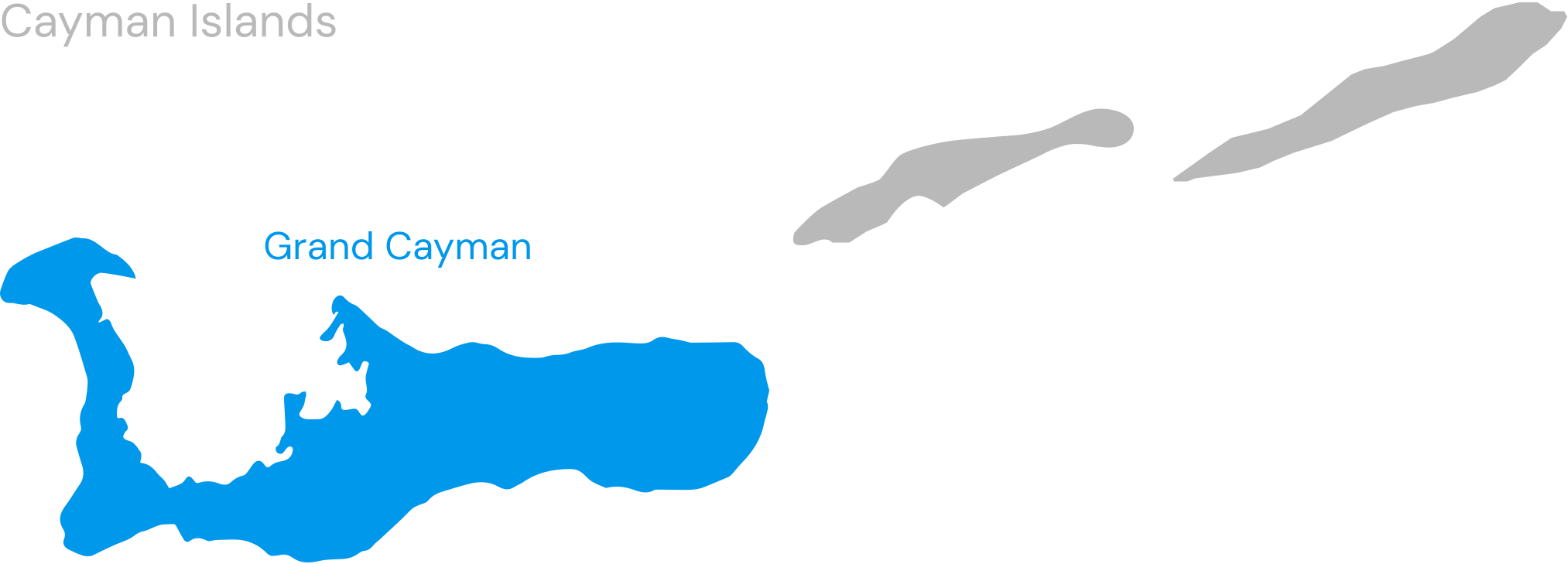
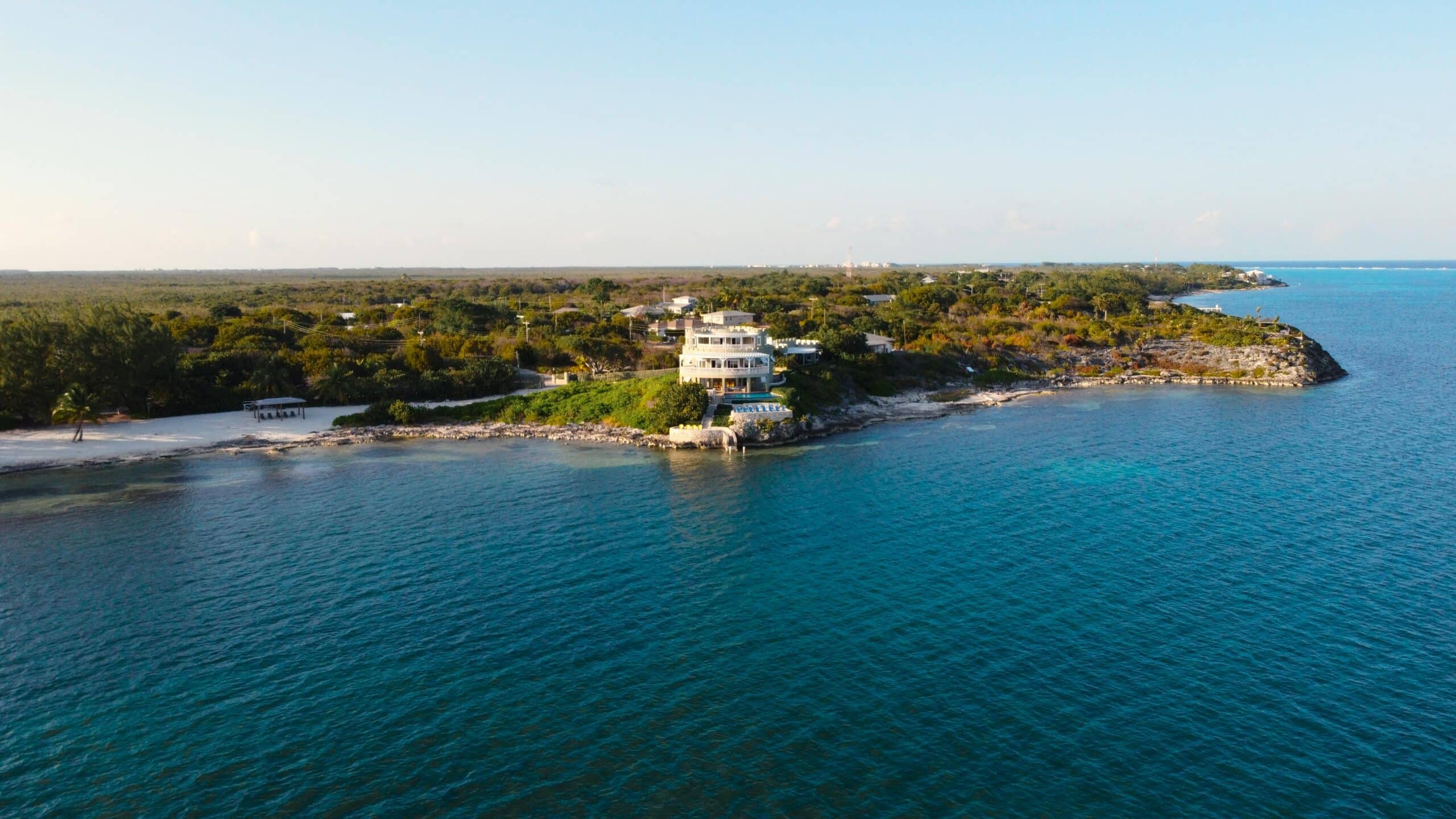
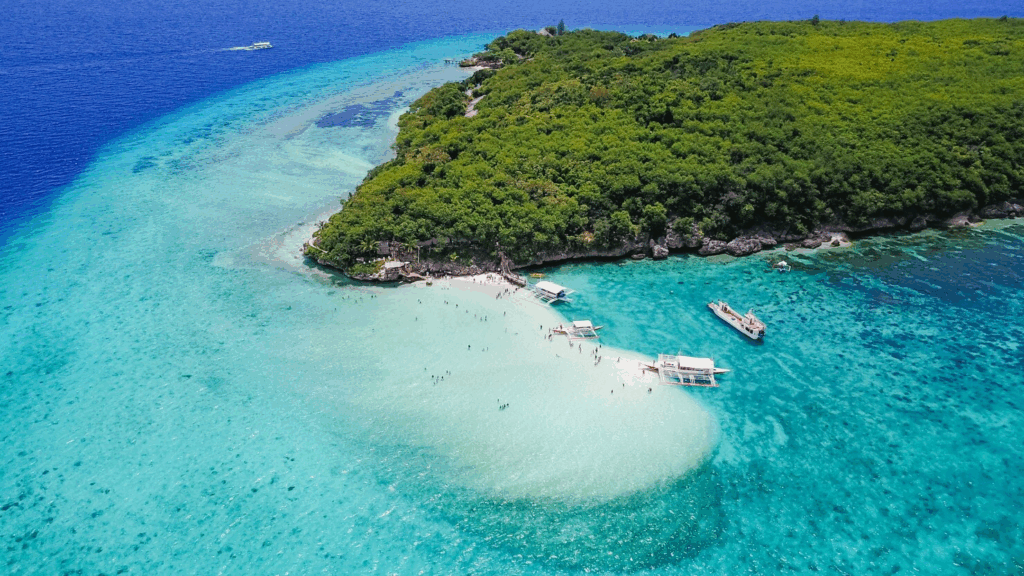
Grand Cayman is different from other Caribbean islands. It offers the accessibility of a well-developed destination without the overcrowding of mass tourism. The island balances modern infrastructure (reliable power, paved roads, international banking) with natural beauty that remains protected and respected.
Seven Mile Beach
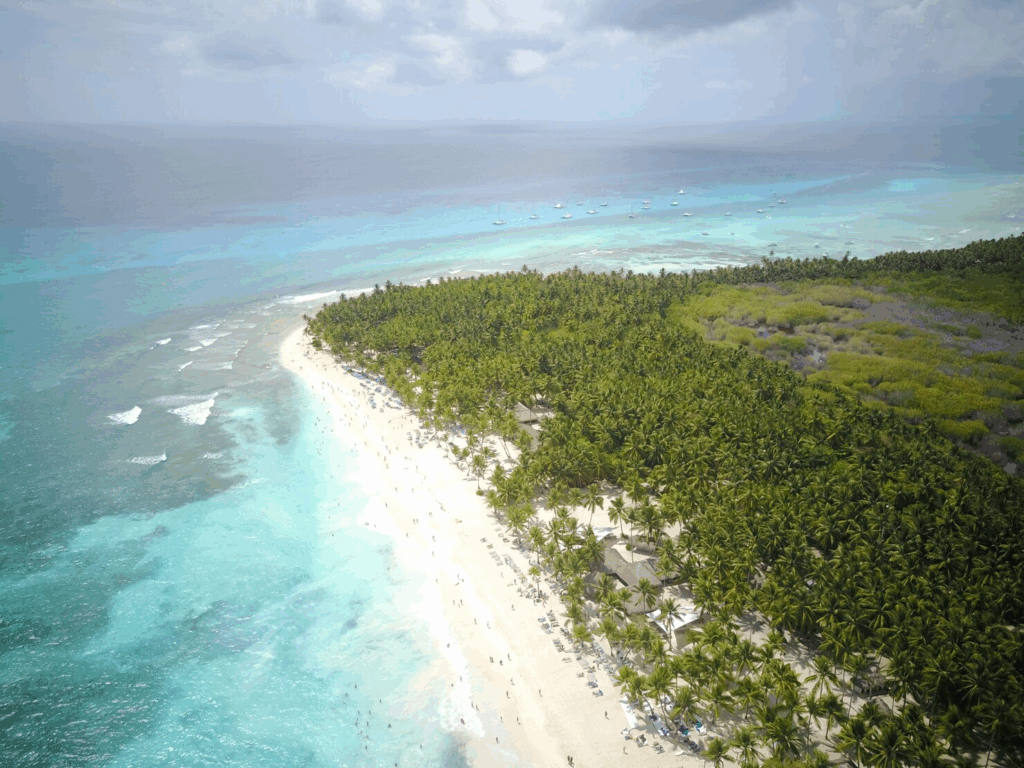
The island’s most iconic stretch, consistently ranked among the best beaches in the world. The sand is soft and white. The water is calm, clear, and shallow for hundreds of feet offshore. Unlike the name suggests, the beach is actually 5.5 miles long, but “Seven Mile Beach” sounds better. The entire length is public, though resorts line much of it. Walking the full stretch takes a few hours. Every step is worth it.
Stingray City
A world-famous sandbar in the North Sound where southern stingrays gather in shallow, waist-deep water. Visitors can stand, feed, and interact with the rays in their natural habitat. The sandbar is accessible by boat from multiple marinas. The experience is unique to Grand Cayman and unforgettable. No diving required—the water is shallow enough to stand.
The Cayman Wall
Grand Cayman is known for dramatic drop-off diving. Just offshore, the seabed drops from 60 feet to over 6,000 feet. The wall runs along the west coast, offering drift diving along coral-covered ledges. Visibility often exceeds 100 feet. Dive sites include Devil’s Grotto, Eden Rock, and the wreck of the USS Kittiwake (a decommissioned submarine rescue vessel sunk as an artificial reef).
Hell
A small, quirky attraction on the island’s west side. Hell is a field of jagged black limestone formations that resemble a lunar landscape. Visitors can send postcards from the Hell post office. It is touristy, odd, and worth 15 minutes for the photo and the stamp.
The Turtle Centre (Cayman Turtle Conservation and Education Centre)
A facility dedicated to the conservation of sea turtles, specifically the endangered green sea turtle. Visitors can see turtles at various life stages, learn about conservation efforts, and even swim with turtles. A mix of education and interactive experience.
Camana Bay
A mixed-use development on Seven Mile Beach’s eastern edge. Shops, restaurants, a cinema, and a 75-foot observation tower offering panoramic views of the island. A pleasant, well-designed space for an evening stroll or a meal away from the resort.
George Town
The capital of the Cayman Islands, located on the west coast. The city is known for duty-free shopping, cruise ship arrivals, and financial services. When cruise ships are in port (typically several per week), the waterfront feels busy. The rest of the island remains calm. Cruise crowds rarely venture beyond the immediate port area.
The Blowholes
Located on the island’s east side, a series of holes in the limestone coastal shelf where waves force water and air upward in dramatic sprays. Best visited during rough seas or high surf. A natural attraction that feels raw and untouched.
Queen Elizabeth II Botanic Park
A 65-acre park on the island’s north side, featuring native flora, a blue iguana habitat (the Grand Cayman blue iguana is endangered and found only here), and peaceful walking trails. A quiet escape from the beach.