Your Journey Begins in Cayman Brac

Cayman Brac Feels Quiet, Rugged, and Unspoiled

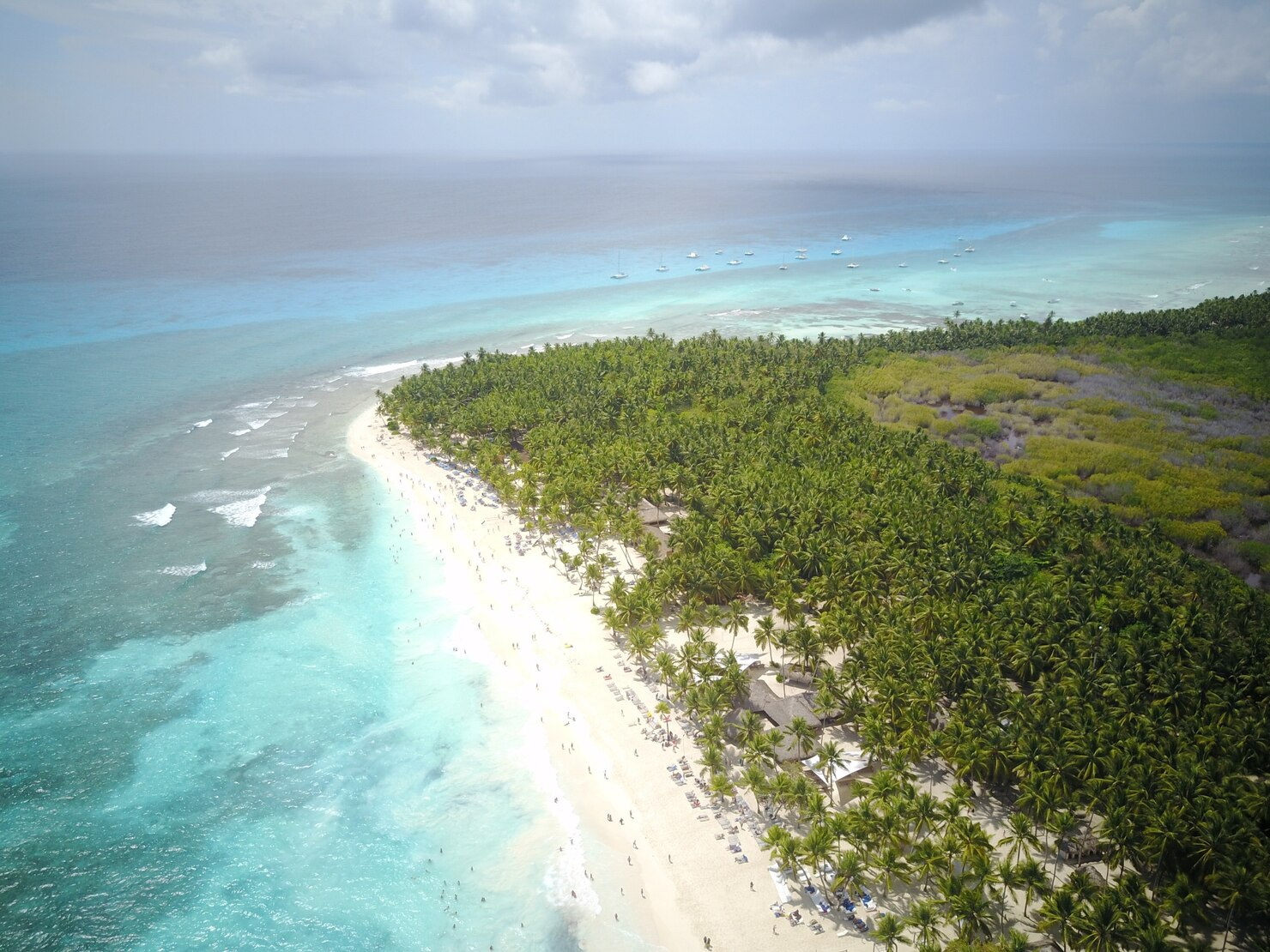
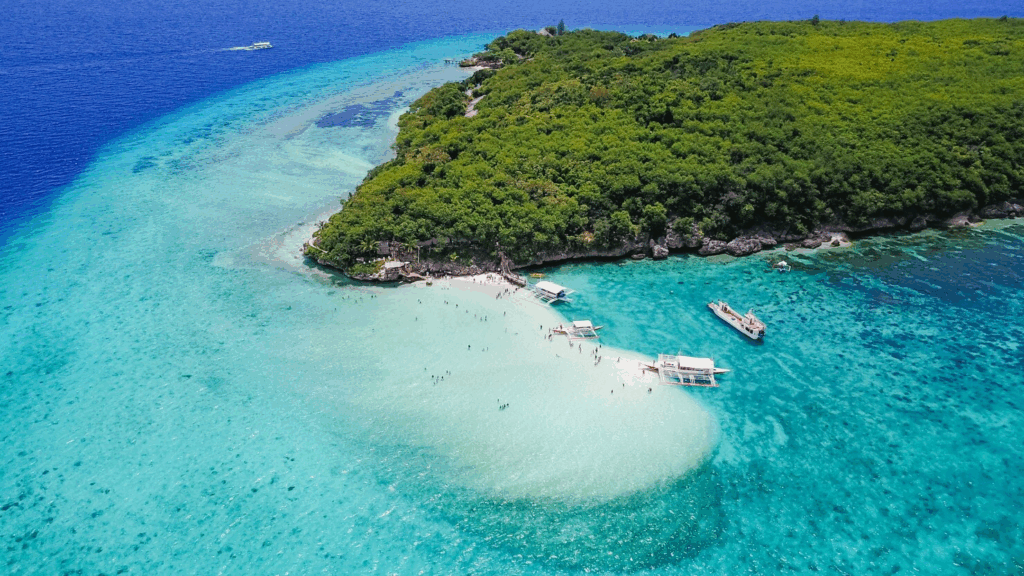
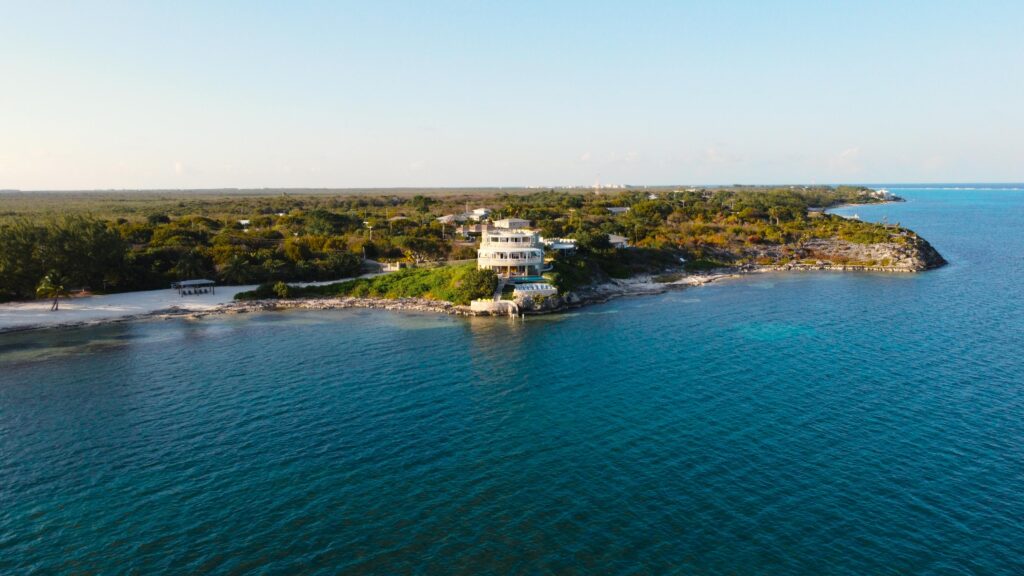
Cayman Brac offers a slower, more nature-driven experience than larger Caribbean islands. Smaller and less developed, it’s shaped by its limestone bluff, known locally as “the Brac,” which defines both the landscape and the island’s character. Beaches here feel open and raw, with rocky shorelines, hidden coves, and clear water. The pace is unhurried, making Cayman Brac ideal for travelers looking to disconnect and spend time outdoors.

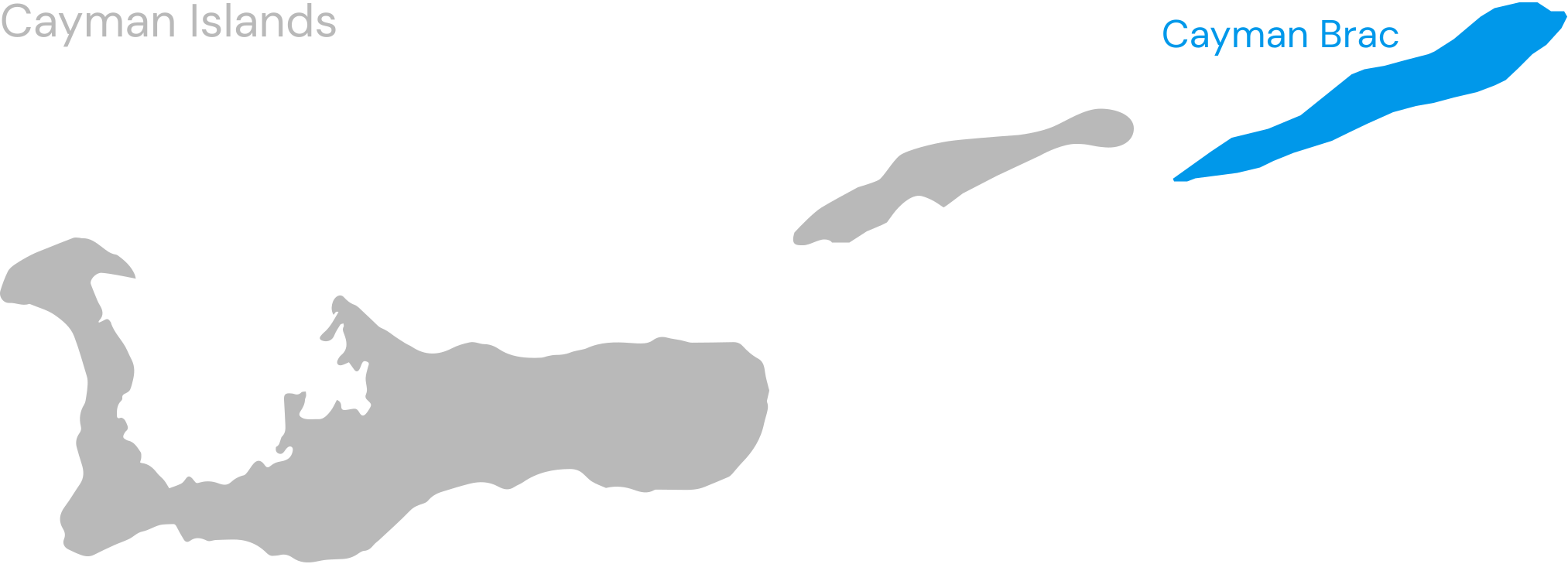
The island is the second-largest in the Cayman Islands chain, yet it remains dramatically quieter than Grand Cayman. Its name comes from the Gaelic word “brac,” meaning bluff—a 140-foot limestone ridge that runs along the eastern half of the island, creating cliffs, caves, and elevated viewpoints found nowhere else in the Cayman Islands. The population is fewer than 2,000 people. Development is minimal. The rhythm is shaped by the sea, the trade winds, and the simple passage of days.

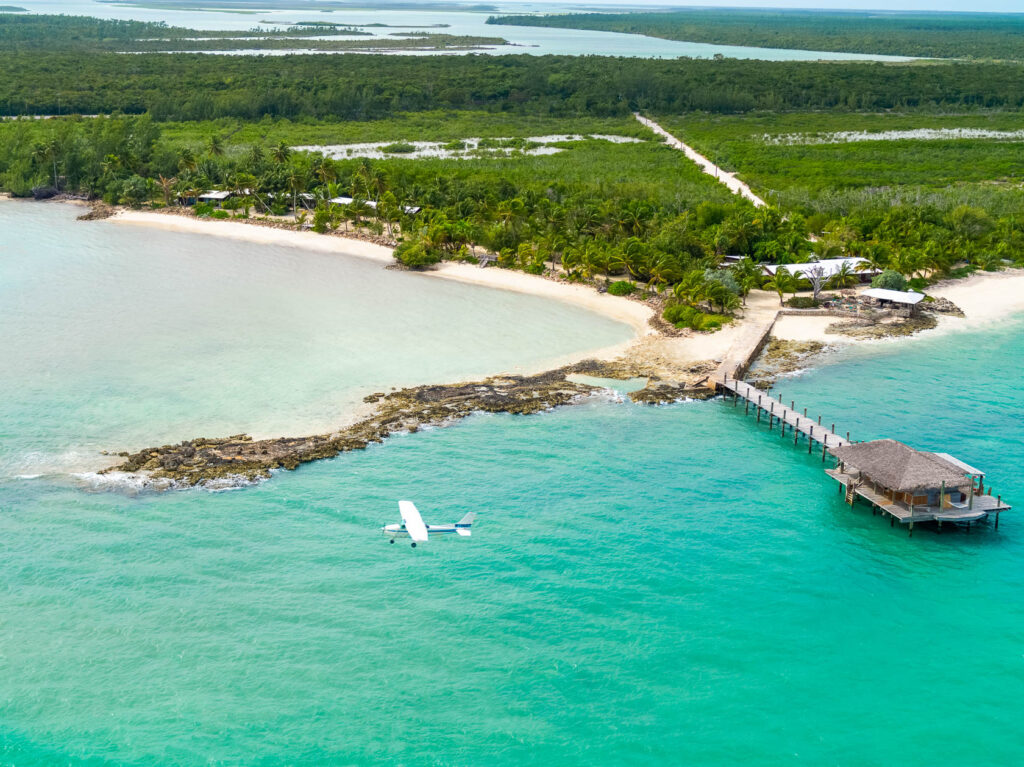
With Air Flight Charters, reaching Cayman Brac becomes a seamless extension of that experience—direct, efficient, and aligned with the island’s quiet character.

Explore Cayman Brac, Cayman Islands

Cayman Brac is different from Grand Cayman. It is different from most Caribbean islands. There are no high-rise resorts, no duty-free shopping districts, no cruise ship piers. What exists is raw landscape, clear water, and an island that has resisted the pressures of mass tourism.

The Bluff (The Brac)

A 140-foot limestone ridge running east to west along the island’s northern coast. The bluff is the defining feature of Cayman Brac, visible from nearly everywhere on the island. Walking trails lead to caves, cliffside viewpoints, and the island’s eastern tip, where waves crash against the rock. The bluff offers hiking, birdwatching, and panoramic ocean views that feel genuinely remote.

Caves

The limestone bluff is honeycombed with caves, many of which are accessible to visitors. Peter’s Cave (also known as the Great Cave) is the largest and most accessible, with multiple chambers and a history of use as a shelter during hurricanes. Other caves include Bat Cave (home to small bat colonies) and Rebecca’s Cave (named for a local woman who lived there). Bring a flashlight. Wear sturdy shoes. Watch your footing.

Buccaneer Beach

A relaxed stretch on the island’s south coast with clear water and minimal activity. The beach is named for the pirates (buccaneers) who supposedly used the island as a hiding spot. The sand is soft. The water is calm. The beach is often completely empty. Ideal for a quiet afternoon.

Public Beach

Simple, open, and easily accessible on the island’s west coast, near the airport. The beach features picnic tables, shaded areas, and calm swimming conditions. A local spot, not a tourist attraction. Perfect for a quick swim after arrival or before departure.

Spot Bay

A quieter corner of the island on the north coast, near the bluff. The connection to local life is more visible here—fishing boats, small homes, and a pace even slower than the rest of the island. The bay faces north, so conditions can be rougher than the south coast. The appeal is isolation, not swimming.

The MV Captain Keith Tibbetts

A decommissioned Russian frigate, intentionally sunk in 1996 to create an artificial reef. The wreck sits in 60 to 100 feet of water off the island’s north coast. It is one of the only Russian wreck dives in the Western Hemisphere. The ship is broken into two main sections, now covered in coral and teeming with marine life. Advanced dive recommended due to depth and occasional currents.

Reef Diving & Snorkeling

Cayman Brac offers excellent diving without the crowds of Grand Cayman. The north coast wall drops dramatically, similar to the Cayman Wall off Grand Cayman but with far fewer dive boats. The south coast offers shallow reefs, seagrass beds, and calm conditions ideal for snorkeling. Dive operators are small, personal, and focused on quality rather than volume.

Birdwatching

The bluff and the island’s protected wetlands attract a variety of bird species, including the Cayman Brac parrot (Amazona leucocephala hesterna), a subspecies found only here and on Little Cayman. Frigatebirds, brown boobies, and migratory warblers are also common. The bluff’s trails and the wetland areas near Spot Bay are the best locations.

The Lighthouse (The Brac)

A small, rustic bar and restaurant perched on the bluff’s western edge. The views are spectacular, especially at sunset. The food is simple and fresh. The atmosphere is pure Cayman Brac—unpretentious, friendly, and focused on the view.

No Traffic. No Crowds. No Pretense.

Cayman Brac has no traffic lights. No malls. No chain restaurants (with a few minor exceptions). The island’s appeal is its authenticity. Travelers who want peace, nature, and a slower pace will love it. Travelers expecting nightlife, fine dining, or luxury shopping will be disappointed.

Reaching Cayman Brac is less about volume and more about precision. With fewer commercial connections and limited frequency, private charter becomes the most effective way to access the island without added layers of travel. Commercial flights to Cayman Brac exist but are infrequent, operated by regional carriers with limited schedules. Most travelers connecting from the U.S. must fly into Grand Cayman (GCM), then wait for a separate flight or boat—adding hours to the journey.

Instead of navigating multiple transfers, Air Flight Charters allows you to streamline the journey, arriving closer to your schedule, reducing waiting time, and keeping the transition from aircraft to island immediate and uninterrupted.

  • Direct Regional Access: Avoid multi-leg commercial itineraries by flying directly into Cayman Brac or via nearby hubs with minimal delays.
  • Flexible Scheduling: Align arrivals and departures with your plans rather than fixed airline timetables.
  • Efficient Transfers: Smaller airports allow quick transitions from aircraft to accommodation, reducing overall travel time.
  • Access to Remote Destinations: Ideal for reaching less-developed islands that are not heavily serviced by commercial carriers.
  • Seamless Multi-Island Travel: Easily combine Cayman Brac with Grand Cayman or Little Cayman within a single itinerary.
  • Bring Your Dive Gear: Travel with tanks, regulators, cameras, and exposure suits without commercial baggage restrictions.
Request Quote

Entry into Cayman Brac is designed to remain low-impact, supporting the island’s quiet and natural character. Private aviation fits seamlessly into this environment, offering efficient access without overcomplicating arrival.

Charles Kirkconnell International Airport (CYB / MWCB)

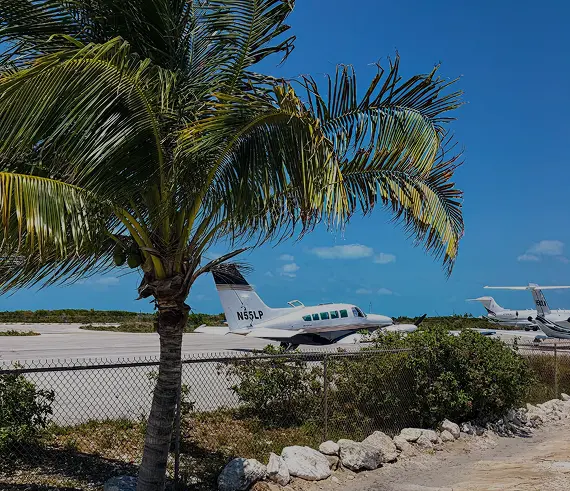
Serving as the island’s primary air gateway, this airport accommodates regional and private charter flights. With a runway of approximately 6,000+ feet, it supports turboprops, light jets, and select midsize aircraft. Ground handling and essential services are available, and due to the island’s scale, transfers from the airport to coastal areas and accommodations are quick and straightforward.

  • IATA Code: CYB
  • ICAO Code: MWCB
  • Runway Length: 6,001 feet (1,829 meters)
  • Elevation: 8 feet (2 meters) above sea level
  • Best For: Direct access to the bluff, Buccaneer Beach, Spot Bay, and all of Cayman Brac

Alternative Gateway: Owen Roberts International Airport (GCM / MWCR)

The primary international gateway to the Cayman Islands, located on Grand Cayman. Most U.S.-originating private charter flights to Cayman Brac will route through GCM for customs clearance, then continue to CYB as an inter-island flight (30–40 minutes).

  • IATA Code: GCM
  • ICAO Code: MWCR
  • Runway Length: 7,001 feet (2,133 meters)
  • Best For: International arrivals, customs clearance, and long-range private jet operations

What to Expect on Arrival

Private charter passengers arriving at Charles Kirkconnell International Airport experience a straightforward, efficient arrival. The airport is small and designed for regional and private traffic, meaning no long walks, no crowded terminals, and minimal wait times.

Important Information for Private Flyers

  • Fees & Requirements: Landing fees apply at CYB (included in your detailed quote). For international arrivals entering the Cayman Islands at GCM, customs clearance occurs at GCM. Inter-island flights from GCM to CYB require no additional customs.
  • Documentation: For international arrivals, valid passport required. For inter-island flights from GCM to CYB, no additional documentation needed.
  • Ground Transportation: Rental cars and taxis are available at CYB. A rental car is strongly recommended—the island is best explored by car. The airport is located on the west coast; the bluff, caves, and dive sites are a short drive east.

Our detailed quotes always include all applicable taxes, fees, and handling charges. For international itineraries, our pilots coordinate all customs paperwork and fees on your behalf at the port of entry (GCM).

Cayman Brac is a quiet, rugged island. It is not for travelers who need nightlife, fine dining, or luxury shopping. It is for travelers who want to hike a limestone bluff, explore sea caves, dive a Russian wreck, and sleep to the sound of waves.

Rent a Car—The Island Is Small but Spread Out

Cayman Brac is 12 miles long and 1.5 miles wide. The airport is on the west coast. The best caves, bluff trails, and dive sites are on the east end. A rental car is essential. Drive on the left. Roads are paved but narrow.

Bring What You Need

Cayman Brac has small grocery stores with limited selection. No pharmacy (beyond basic). No medical facilities beyond a small clinic. Bring all medications, sunscreen, insect repellent, and any specialty items from Grand Cayman or the mainland.

Restaurants Are Few and Informal

Cayman Brac has a handful of small, local restaurants. The Lighthouse (on the bluff) is the most famous. Captain’s Table and the Brac Reef Beach Resort restaurant offer reliable options. Hours can be inconsistent. Plan accordingly.

Accommodation Is Simple

Cayman Brac has a few small hotels (Brac Reef Beach Resort, Le Soleil d’Or) and vacation rentals. There are no luxury resorts. Accommodations are clean, comfortable, and simple. This is part of the island’s charm.

Diving Is the Main Event

The MV Captain Keith Tibbetts wreck and the north coast wall are world-class. Dive operators are small and personal. Book in advance, especially for technical or guided wreck dives. Cayman Brac’s diving is less crowded than Grand Cayman, which means more time underwater and less time waiting.

The Caves Require Preparation

Peter’s Cave is accessible without a guide, but bring a flashlight, sturdy shoes, and a sense of caution. The caves are undeveloped—no lights, no handrails, no staff. Do not enter alone. Do not venture beyond your comfort level.

Cell Service Is Reliable

Major U.S. carriers offer roaming on Cayman Brac. Coverage is strongest near the airport and settlements. Offshore or at the bluff’s eastern tip, service can drop. Download offline maps and entertainment before arrival.

Mosquitoes Are Present

Cayman Brac has mosquitoes and no-see-ums, especially near wetlands and after rain. Repellent is recommended, particularly at dawn and dusk.

US Dollars Are Accepted but Cayman Dollars Are Preferred

Same as Grand Cayman. The official currency is the Cayman Islands dollar (1 KYD = 1.20 USD). Most businesses accept US dollars. Credit cards are accepted at hotels and larger restaurants. Smaller establishments and dive operators prefer cash.

Hurricane Season Runs June 1 to November 30

Peak risk is September through October. Cayman Brac is in the Atlantic hurricane belt. The island has a history of direct hits (Hurricane Paloma in 2008, Hurricane Ivan in 2004). Travel insurance is strongly recommended during these months. Monitor weather forecasts before departure.

Sunday Is Very Quiet

Most restaurants, shops, and services close on Sunday. Plan accordingly if arriving on a Sunday. Stock up on supplies on Saturday.

What to Pack Specifically for Cayman Brac

Reef-safe sunscreen (mineral-based), polarized sunglasses, wide-brimmed hat, lightweight long-sleeved shirts for sun protection, rash guard for diving and snorkeling, swimwear, water shoes (for caves and rocky shores), insect repellent, sturdy hiking shoes (for the bluff and caves), flashlight or headlamp (essential for caves), dive certification card (if diving), binoculars (for birdwatching), and a good book (the island encourages slow afternoons).

Access to Cayman Brac is usually structured through nearby Caribbean gateways, with private charter allowing each leg to align smoothly without delays or rigid scheduling.

Grand Cayman (GCM / MWCR) → Cayman Brac (CYB / MWCB): A short 30–40 minute inter-island flight, providing the most direct and efficient connection within the Cayman Islands. The most popular route.

Little Cayman (LYB / MWCL) → Cayman Brac (CYB): An extremely short hop of approximately 10–15 minutes. Ideal for travelers combining the two quietest Cayman Islands.

Miami (MIA / KMIA) → Grand Cayman (GCM) → Cayman Brac (CYB): A primary international route of approximately 1.5 hours (MIA-GCM), followed by a 30–40 minute inter-island transfer.

Fort Lauderdale (FLL / KFLL) → Grand Cayman (GCM) → Cayman Brac (CYB): A flexible routing option from South Florida, combining direct international access with a short onward connection.

Atlanta (ATL / KATL) → Grand Cayman (GCM) → Cayman Brac (CYB): A longer-range route of approximately 2.5–3 hours (ATL-GCM), followed by a short regional transfer.

Toronto (YYZ / CYYZ) → Grand Cayman (GCM) → Cayman Brac (CYB): A popular international connection from Canada (approximately 3.5–4 hours), paired with a short regional transfer.

Note on Itineraries: For international arrivals into the Cayman Islands, customs clearance must occur at the port of entry (typically GCM). Air Flight Charters coordinates this process seamlessly, then continues to CYB as a domestic inter-island flight without additional customs.

For travelers building a broader itinerary, Cayman Brac connects easily with nearby destinations through private charter, each offering a different contrast in pace and setting.

Little Cayman

A 10–15 minute private flight. Smaller and even more secluded than Cayman Brac, known for its quiet atmosphere, minimal development, and exceptional marine life. Bloody Bay Wall is one of the most famous dive sites in the world. The natural pairing with Cayman Brac for divers and travelers seeking deep isolation.

Grand Cayman

A 30–40 minute private flight. More developed, with resorts, fine dining, Seven Mile Beach, Stingray City, and a full range of amenities. Use Grand Cayman as your supply base and international gateway, then escape to Cayman Brac for quiet and rugged nature.

Cayman Brac Stands Well Alone

For travelers seeking a full week of diving, hiking, and disconnect. Many visitors spend their entire stay on Cayman Brac without feeling the need to island-hop.

Explore Our Empty 
Leg Flights

Optional Flexibility: Empty Leg Opportunities

For those with adaptable schedules, empty leg flights may occasionally align with routes serving Cayman Brac. These options provide the same private charter experience while offering additional flexibility in timing and routing.

View Available Flights

A Different Kind of Caribbean Access

Cayman Brac offers a completely different Cayman Islands experience, one shaped by the 140-foot bluff, sea caves, a Russian wreck dive, and an island that has resisted the pressures of mass tourism. Air Flight Charters ensures that reaching it remains seamless, offering direct access, flexible scheduling, and a travel experience designed entirely around the island’s quiet, rugged character. No crowds. No resorts. Just the Brac.

Book Flight Airplane Icon AFC Logo

    Plane icon

    Plane icon

    Calendar icon

    Calendar icon

    FAQs About Cayman Brac

    It offers a quiet, rugged, and unspoiled experience defined by its dramatic limestone bluff (“the Brac”), raw beaches, hidden coves, and a strong focus on nature and outdoor activities.

    Flying private provides direct, flexible access to Charles Kirkconnell International Airport (CYB), allowing you to bypass scheduled airline constraints and start exploring the island almost immediately after a quick arrival process.

    Yes, Charles Kirkconnell International Airport (CYB) accommodates private charter flights, offering efficient service that enables short transfers to the island’s accommodations, beaches, and dive sites.

    We offer tailored flights with convenient scheduling, making it easier to enjoy the island’s relaxed pace, natural attractions, and outdoor adventures without the delays associated with commercial travel.

    What makes Cayman Brac a unique destination?

    It offers a quiet, rugged, and unspoiled experience defined by its dramatic limestone bluff (“the Brac”), raw beaches, hidden coves, and a strong focus on nature and outdoor activities.