Grand Turk is different from Providenciales (Provo), the more developed and well-known island in Turks & Caicos. Where Provo offers resorts, fine dining, and Grace Bay’s perfect sand, Grand Turk offers history, solitude, and one of the most accessible deep-wall diving experiences in the world. Both are valuable. They are simply different.
The Grand Turk Wall
Just a few hundred feet offshore, the ocean floor drops from 40 feet to over 7,000 feet. This underwater wall runs the length of the island’s west coast, creating a diving experience that is both accessible and dramatic. Divers can explore shallow coral gardens, then drift over the edge into deep blue nowhere. The wall starts close enough to shore that snorkelers can see its beginning.
Cockburn Town
The capital of Turks & Caicos, named after Sir Alexander Cockburn, a 19th-century British official. The town preserves its colonial character with narrow streets, historic stone buildings, and the Turks & Caicos National Museum, housed in a 19th-century building that once served as government headquarters. The museum holds the actual wreckage of the Friendship 7 space capsule, which splashed down off Grand Turk in 1962.
John Glenn & Friendship 7
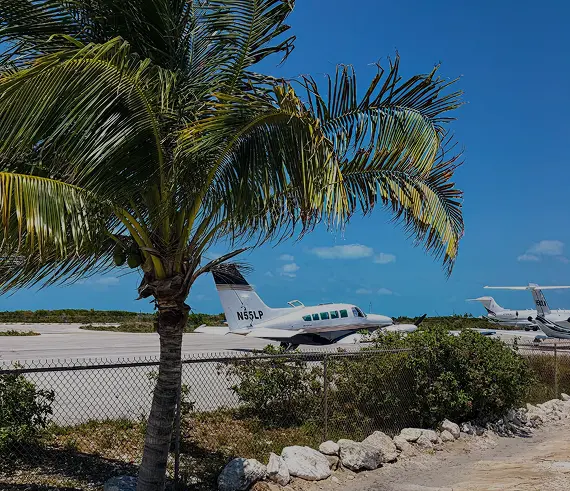
On February 20, 1962, John Glenn became the first American to orbit the Earth. His Friendship 7 capsule splashed down in the Atlantic off Grand Turk. The island’s connection to space exploration remains a point of pride. A replica of the capsule stands near the airport. The original is in the national museum.
Governor’s Beach
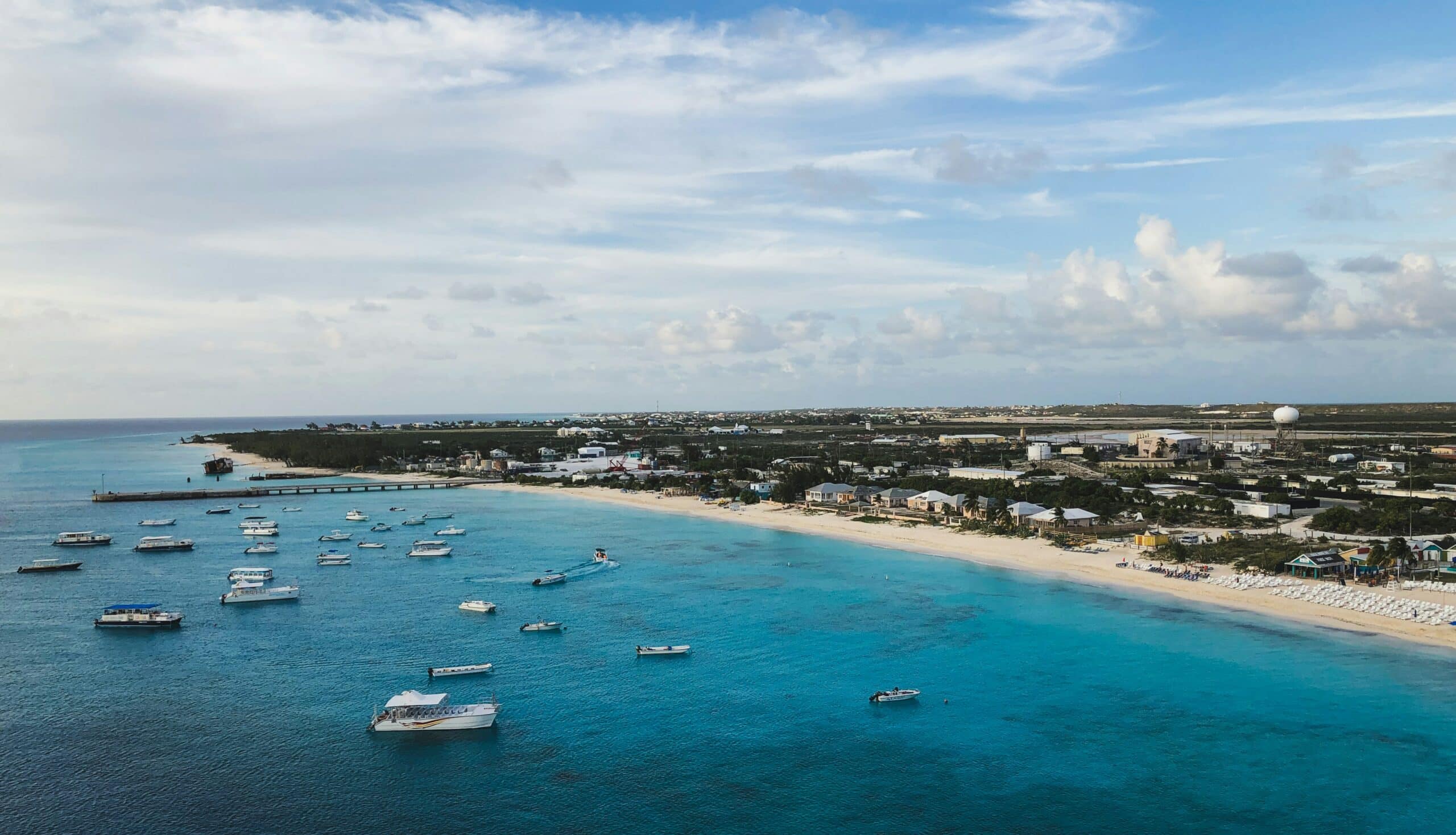
The most recognized and accessible beach on the island. Calm, clear water and an easygoing atmosphere. The sand is soft. The water is shallow for hundreds of feet. Views stretch across the Caicos Bank toward the horizon. A favorite for swimming, snorkeling, and sunset walks.
Pillory Beach
A quieter stretch on the island’s west coast, with open views and minimal development. The water here is equally clear, but the crowds (such as they are on Grand Turk) thin out. Ideal for travelers seeking uninterrupted time by the water.
White Sands Beach
True to its name, this beach features soft sand and uncrowded surroundings. Located on the southern end of the island, it offers a more remote feel while remaining easily accessible. The water here is shallow and calm, protected by the Caicos Bank.
The Grand Turk Lighthouse
Built in 1852 by a British company, the lighthouse stands on the island’s northern tip. It was manually operated with kerosene until 1971. Today, it is a museum and viewpoint. The surrounding cliffs offer dramatic ocean views, especially when winter swells roll in from the North Atlantic.
Horseshoe Reef
A protected marine area just off the northwest coast, known for excellent snorkeling and shallow diving. The reef is home to sea turtles, eagle rays, and countless tropical fish. Access is easy from Governor’s Beach or by boat from Cockburn Harbour.
Salt Cay Connection
Historically, Grand Turk and Salt Cay were the center of Bermuda’s salt raking industry. Salt was harvested from shallow ponds and exported to North America. Today, the salt ponds remain as quiet wetlands, visible along the island’s southern roads. Birdwatchers will find flamingos, herons, and egrets.
No Cruise Ship Overload (Most Days)
Grand Turk has a cruise center at the southern tip of the island, near the Columbus Landfall National Park. When ships are in port (typically 2–4 days per week), the area near the pier feels busy. The rest of the island remains quiet. The cruise crowds rarely venture beyond the immediate pier area or Cockburn Town’s main street.