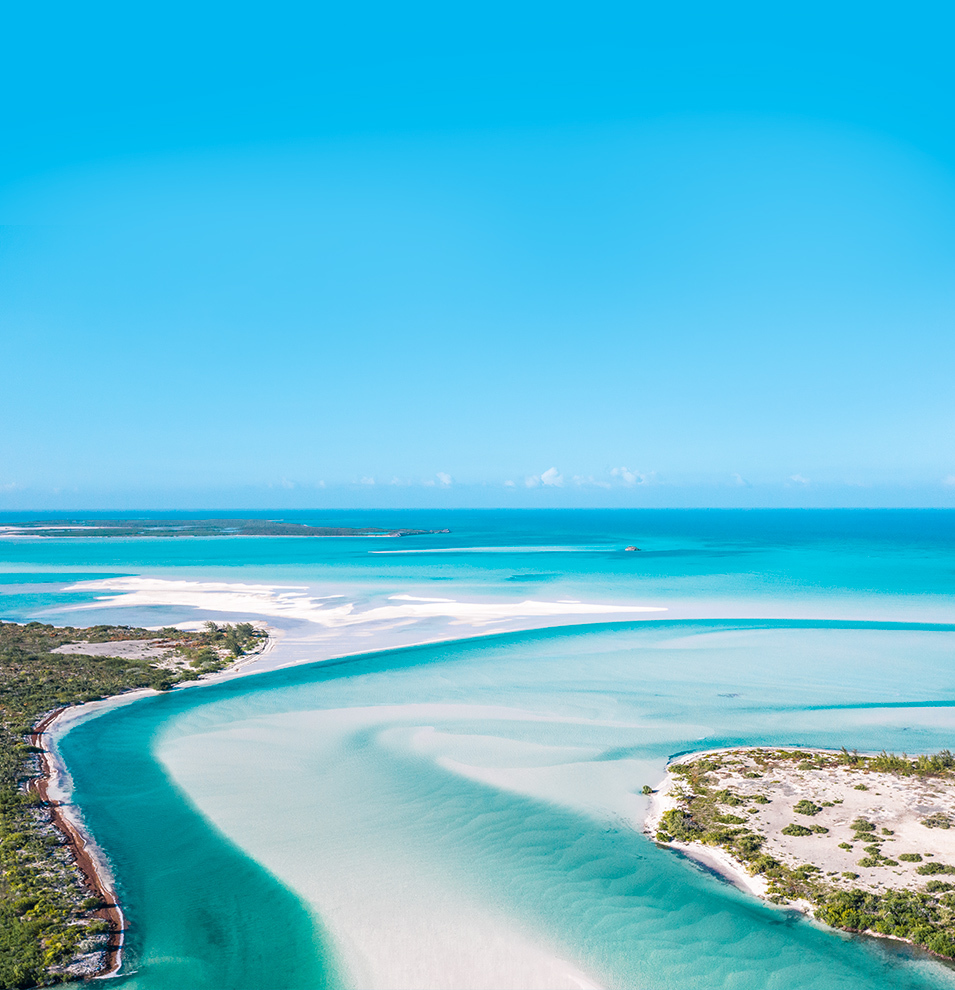
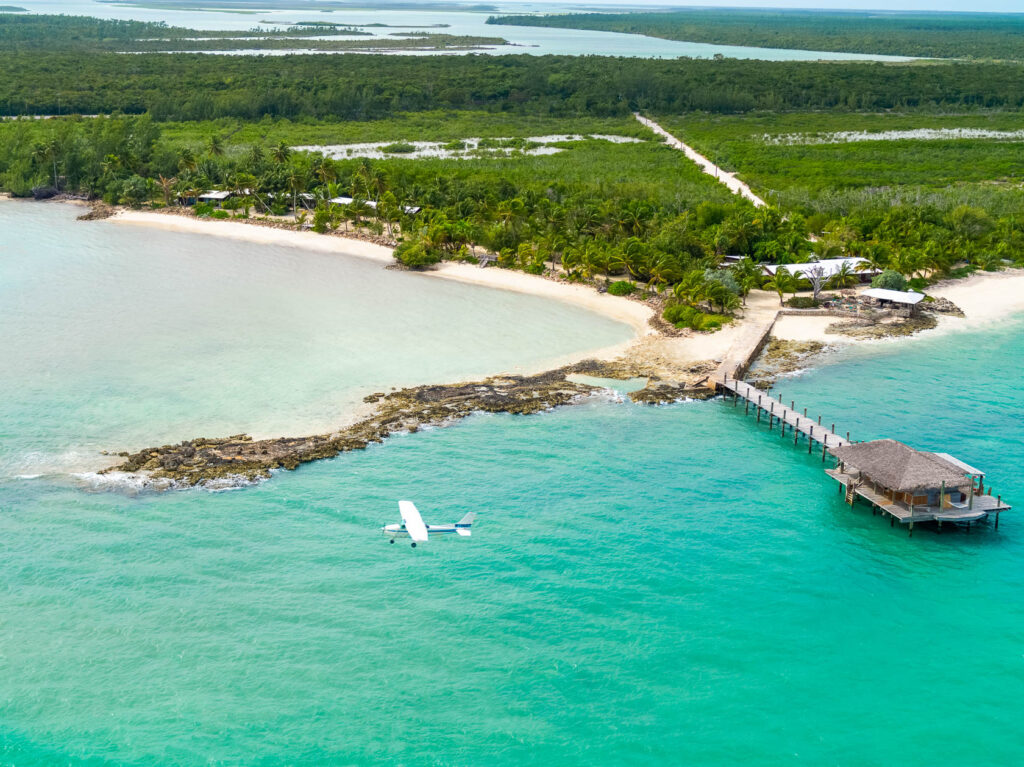
Inagua is the southernmost inhabited island in the Bahamas, located 55 miles from Cuba. It is remote, flat, and home to the largest flamingo colony in the world. Here is what you need to know.
This Is Not a Resort Island
There are no luxury resorts, no nightlife districts, no organized excursions with fixed schedules. Accommodations are small, locally owned, and simple. Dining options are limited to what is fresh and available. If you are looking for beach bars or spas, Inagua is not the right island.
The Flamingos Are the Main Event
Inagua National Park is home to the largest breeding colony of West Indian flamingos in the world, with approximately 60,000 to 80,000 birds. The park covers 183,740 acres. A one-hour drive from Matthew Town gets you there. Best viewing is early morning or late afternoon.
Cash Is Mandatory
ATMs are unreliable. Credit cards are rarely accepted. Most guesthouses, small shops, and local services operate on cash only. Bring enough Bahamian or U.S. currency to cover your entire stay, including meals, transportation, and tips.
Flights Are Limited and Weather-Dependent
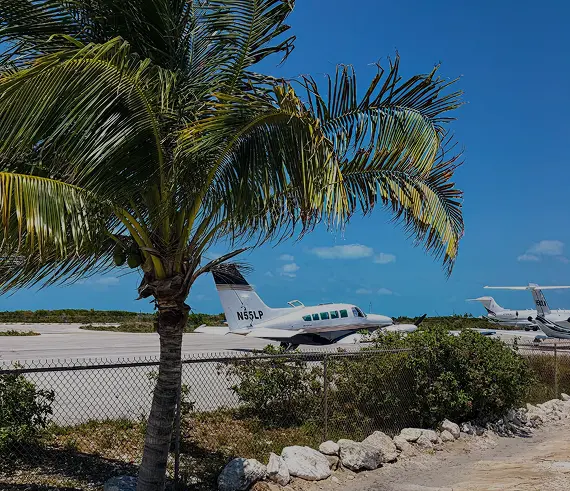
Bahamasair operates limited weekly flights from Nassau. Schedules can shift due to weather. Build buffer days into your itinerary and avoid scheduling critical commitments immediately after your planned return.
Cell Service Is Spotty Outside Matthew Town
Reliable service exists in the capital. Once you head toward the national park or remote flats, expect little to no signal. Download offline maps, documents, and entertainment before arrival.
Temperatures by Season
- November to April: 68°F to 82°F (20°C to 28°C). Dry season. Best weather and highest bird activity.
- May to September: 81°F to 90°F (27°C to 32°C). Hotter, more humid. Afternoon showers possible. Mornings are best for exploring.
- June to November: Hurricane season. Travel insurance is strongly recommended.
What to Pack for Inagua
Cash in small bills, all prescription medications with extras, reef-safe sunscreen, insect repellent (non-negotiable), a refillable water bottle, binoculars for flamingo viewing, a flashlight or headlamp, and a portable power bank. Grocery options are extremely limited.
Local Guides Are Essential for the National Park
Attempting to explore Inagua National Park on your own often means missing the best locations or unintentionally disturbing protected areas. Local guides understand the terrain, wildlife patterns, and conservation rules. Book through your accommodation.
Dining Is Simple and Availability-Based
Meals reflect what arrived on the last supply boat or flight. Menus are short. Do not expect extensive options. Complaining about selection is frustrating to locals who work with limited resources.
Conservation Rules Are Strict
Drones are not permitted near flamingo colonies. Do not approach wildlife too closely. Stay within permitted areas. Conservation is not optional on Inagua, it is the foundation of life on the island. Violations may result in fines.
The Salt Ponds Are Everywhere
The Morton Salt facility produces one million tons of sea salt per year, making it the second-largest solar saline operation in North America. The massive salt ponds stretch across the landscape, creating striking geometric patterns and attracting flamingos.
Greetings Are Expected
Walking past someone without saying good morning, good afternoon, or good evening is considered rude. Acknowledge shopkeepers when entering. A friendly greeting often leads to conversation and local insight.
Sundays Are for Church and Rest
Most businesses close. Grocery stores and restaurants operate reduced hours or not at all. Plan supply runs for Saturday. Sunday is centered around faith and family, not tourism.
Dress Modestly in Town
Beachwear stays at the beach. Light, modest clothing is expected in Matthew Town. Shirts and footwear are required in shops and restaurants. This is about showing consideration for shared spaces, not strict rules.
Ask Permission Before Taking Photos
Photographing individuals without permission is intrusive. Avoid photographing homes or private property without consent. Children should never be photographed without explicit permission from parents or guardians.
Bonefishing Is Excellent but Requires Local Knowledge
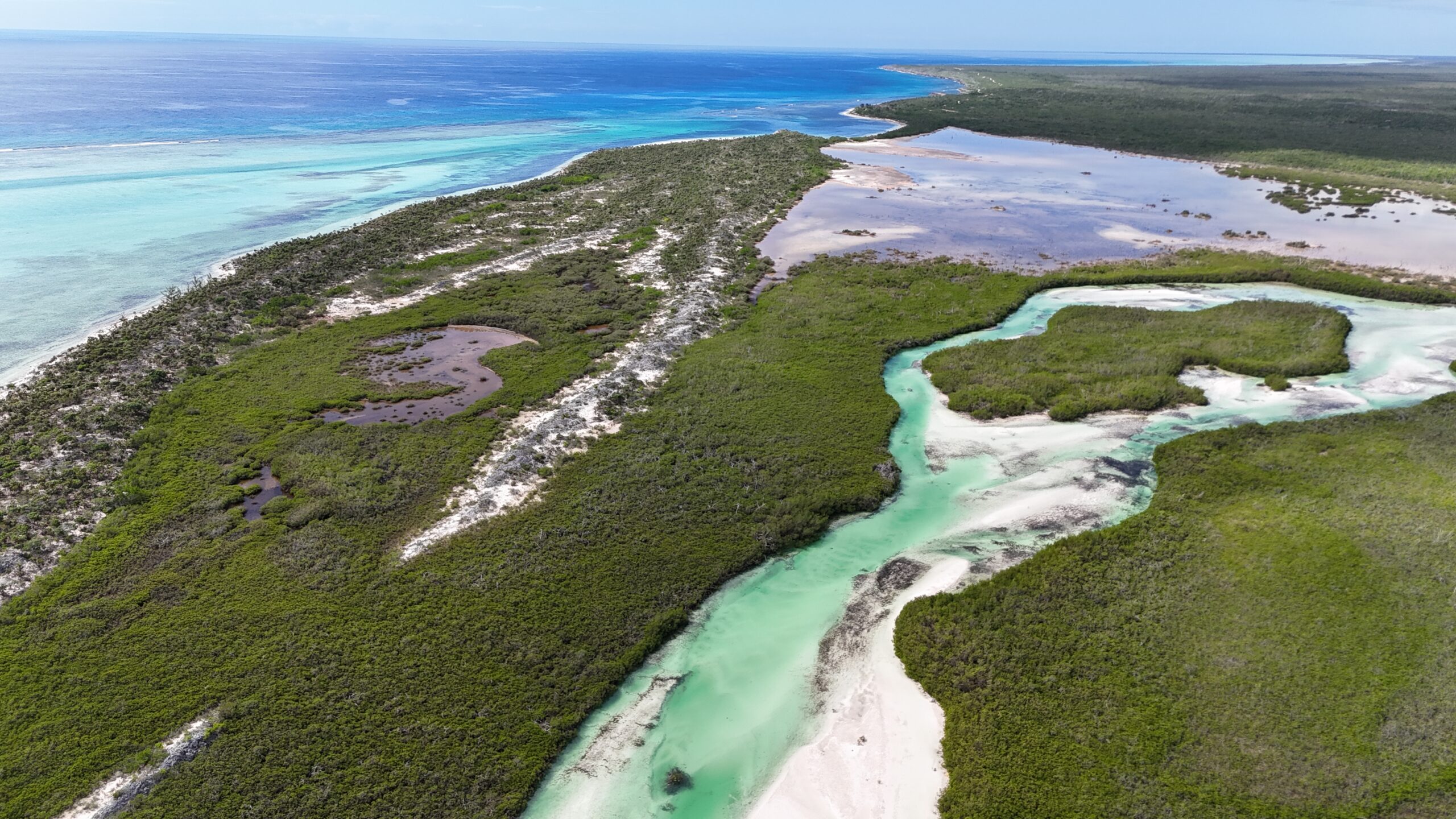
For DIY anglers, Great Inagua offers a true wilderness fishing experience. Remote flats and creeks offer opportunities for bonefish, tarpon, snook, jacks, and barracuda. Above-average-sized bonefish are the norm, and tarpon run from 5 to 50 pounds. Local guides can show you the best spots.
Medical Facilities Are Basic
The nearest hospital is in Nassau. Serious medical issues require evacuation. Pack all prescription medications with extras. Travel insurance with medical evacuation is strongly recommended.
How Long to Stay
A minimum of 4-5 days is recommended, given travel time from the U.S. Trying to visit Inagua as a quick trip leaves you rushed and frustrated. The island rewards patience and longer stays.
Island Time Is Real, Not Laziness
Delays happen due to weather, supply schedules, and limited infrastructure. Expressing frustration publicly feels disrespectful. Flexibility earns goodwill far faster than efficiency.
This adds to the sense of isolation, where travel feels intentional and closely tied to the environment.