Cat Island is known for Mount Alvernia, the highest point in the Bahamas, and miles of empty pink-sand beaches. Here is what you need to know before you go.
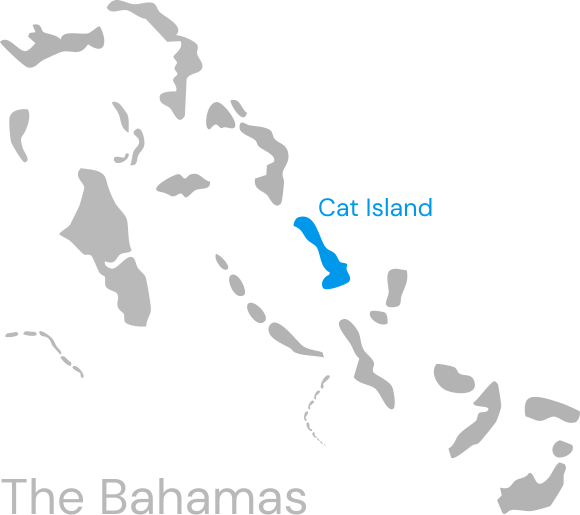
The Island Is 48 Miles Long and Very Narrow
Driving from Arthur’s Town in the north to the southern tip takes over an hour. Most roads are paved but narrow, with potholes appearing after rain. Allow more travel time than you expect.
Two Airports, Two Different Starting Points
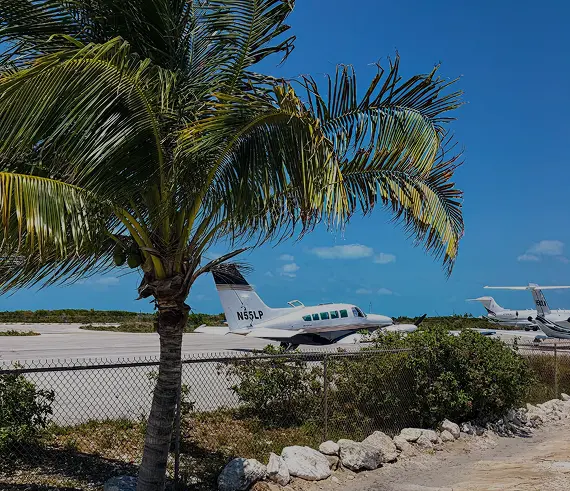
Fly into Arthur’s Town (ATC) for the northern beaches, Greenwood Beach, and Mount Alvernia. Fly into New Bight (TBI) for Dean’s Blue Hole, Fernandez Bay, and southern settlements. Choose based on where you are staying, driving across the island eats hours.
Mount Alvernia Requires a Hike
The highest point in the Bahamas is only 206 feet, but the trail is steep and uneven. Wear sturdy shoes. The Hermitage, a small stone monastery at the summit, offers 360-degree views. Go early morning or late afternoon for the best light and cooler temperatures.
Dean’s Blue Hole Is a Spectacle
The world’s second-deepest blue hole plunges over 660 feet and sits right next to a sandy beach. You can wade in from the shore. Swimmers can enter safely from the beach edge. Snorkelers see the dramatic drop-off. Free divers train here for world records.
Greenwood Beach Faces the Atlantic
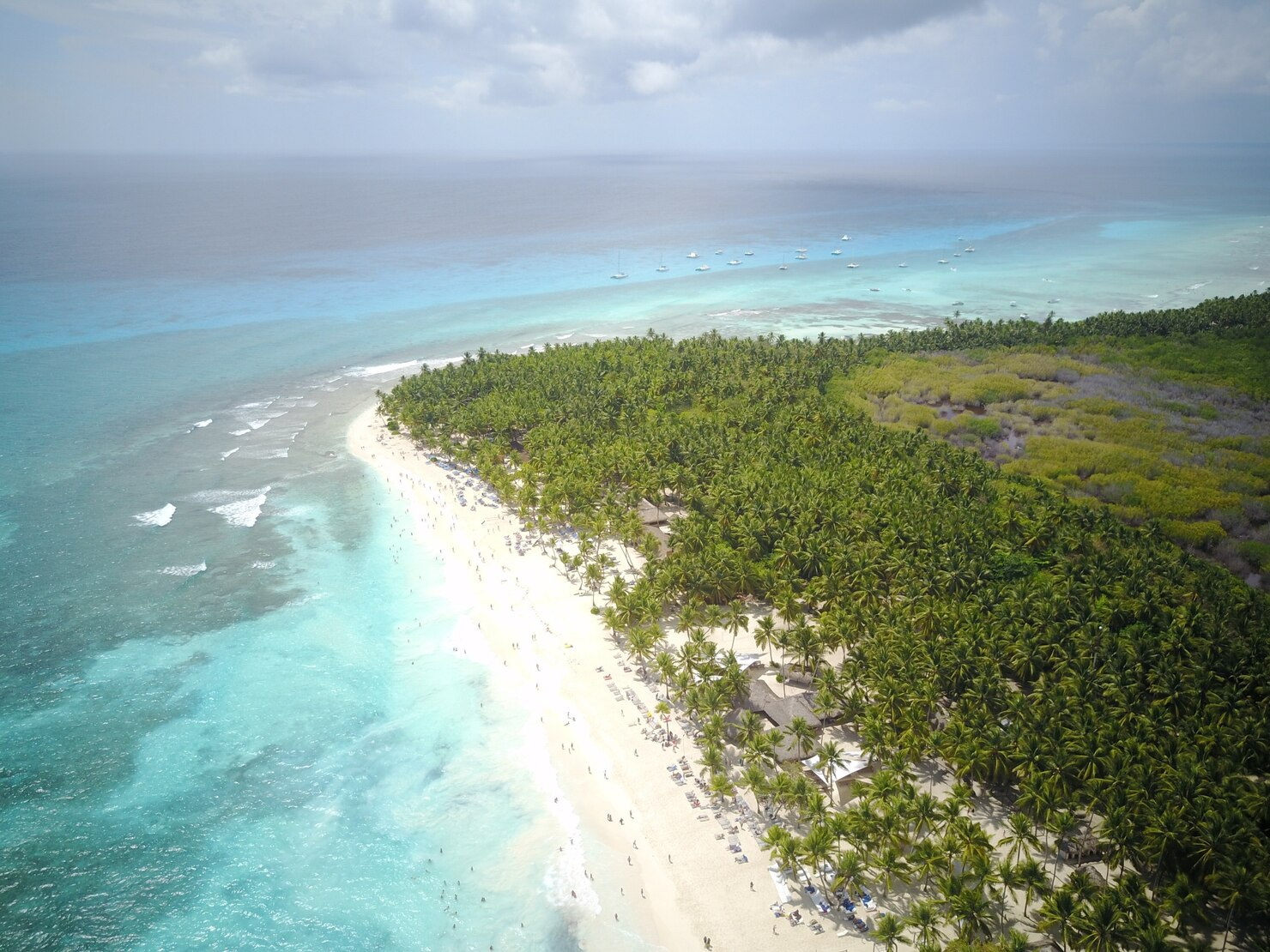
Unlike calm western beaches, Greenwood Beach has waves and wind. This makes it excellent for kiteboarding (late fall through winter) and dramatic walks, but not ideal for casual swimming. The pink sand here is beautiful but the water can be rough.
Fernandez Bay Is the Calm Alternative
On the western side, Fernandez Bay offers protected, calm water perfect for families and swimmers. Fernandez Bay Village sits right on the sand. If you want easy swimming without waves, head here.
Cell Service Is Settlement-Only
Reliable service exists in Arthur’s Town and New Bight. Once you head to Greenwood Beach, Fernandez Bay, or the southern coast, expect no signal. Download offline maps before leaving town.
Dining Is Lodge-Based
Most meals happen at your accommodation. A handful of small local eateries exist in the main settlements but hours are unpredictable. Confirm meal plans with your lodge before booking, especially if you have dietary needs.
Temperatures by Season
– December to April: 70°F to 80°F (21°C to 27°C). Dry season. Best for hiking Mount Alvernia and beach days.
– May to June: 75°F to 85°F (24°C to 29°C). Warmer. Excellent visibility for blue hole swimming.
– July to October: 80°F to 88°F (27°C to 31°C). Hurricane season. Greenwood Beach winds pick up.
What to Pack Specifically for Cat Island
Sturdy hiking shoes for Mount Alvernia, polarized sunglasses for spotting reef and flats, a swimsuit with good coverage for blue hole swimming, insect repellent for dawn and dusk, reef-safe sunscreen, and a rash guard for extended water time.
The Hermitage Has Limited Hours
The monastery is not always open for interior visits. Some days the caretaker is present; other days it is locked. The views from the outside are still worth the hike. Do not plan your trip around going inside.
Bonefishing Flats Accessible by Foot
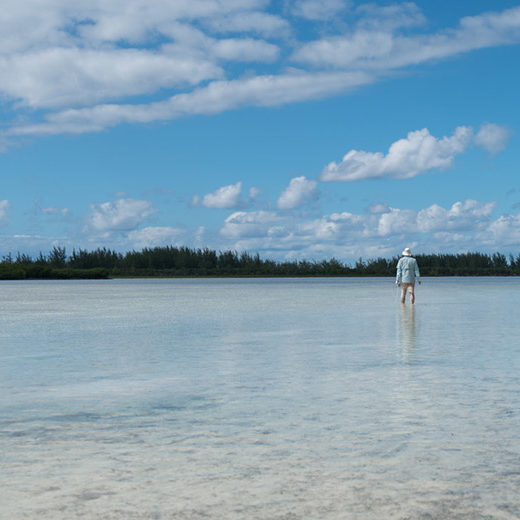
Unlike other islands that require boats for bonefishing, Cat Island has wadeable flats near Deadman’s Cay and along the southern coastline. Experienced DIY anglers can fish without hiring a guide. Ask locally for current access points.
Gas Stations Are Few
Fuel availability is limited to Arthur’s Town and New Bight. If you rent a car, fill up whenever you pass a station. Do not assume you can find gas near Greenwood Beach or the southern coast.
Sundays Are for Church and Rest
Most businesses close. Some lodge restaurants continue serving guests but may have reduced hours. Plan grocery runs for Saturday. Do not expect to find open restaurants on Sunday evening outside of major settlements.
The Columbus Monument Is a Quick Stop
Near Arthur’s Town, the Columbus Monument offers nice coastline views but is a 10-minute stop, not a half-day activity. Combine it with a visit to nearby beaches rather than driving specifically for it.
How Long to Stay
A minimum of 4 days allows you to explore one region, north or south, comfortably. A week lets you experience both ends of the island with a relaxed pace. Trying to cover the entire 48 miles in 3 days results in more driving than relaxing.