A little preparation goes a long way when visiting one of the Bahamas’ most remote islands. Here is what you should keep in mind before you depart.
The Island Is Bigger Than You Think
Andros spans over 2,300 square miles, larger than all other Bahamian islands combined. Driving from San Andros in the north to Congo Town in the south takes over two hours. You cannot see the whole island in one trip. Choose a region and stick to it.
The Reef Is Steps Offshore
The Andros Barrier Reef runs 140 miles along the east coast, starting just a few hundred yards from shore at some points. This means world-class snorkeling and diving are accessible without long boat rides. Ask locally for the nearest entry point to your accommodation.
Blue Holes Are Everywhere
Over 150 blue holes dot the island. Some, like Captain Bill’s and Henry Morgan’s, have roadside access and viewing platforms. Others require guides. Do not jump into any blue hole without checking the depth and conditions first. Some are deeper than they appear.
The West Coast Flats Require a Boat
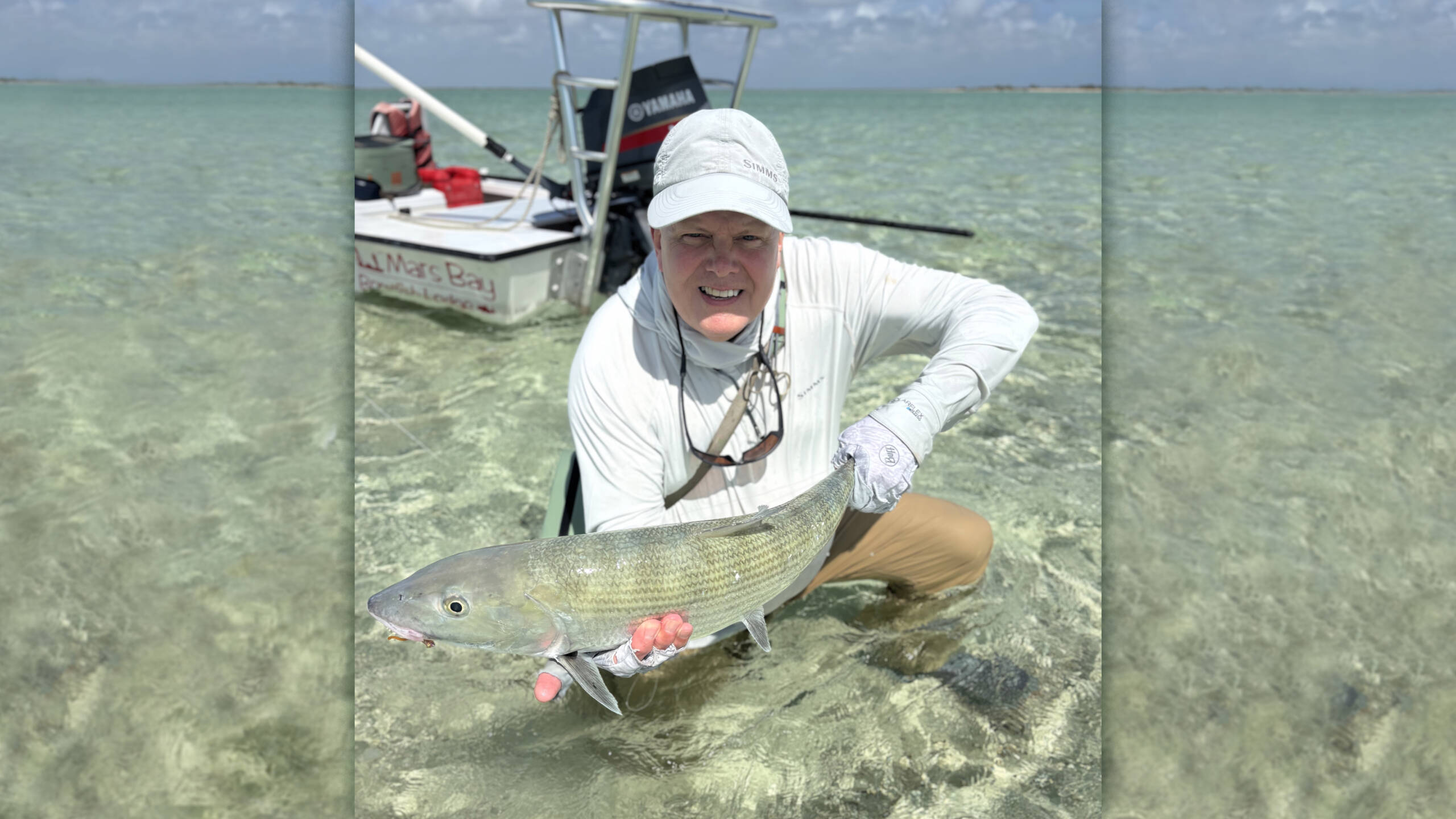
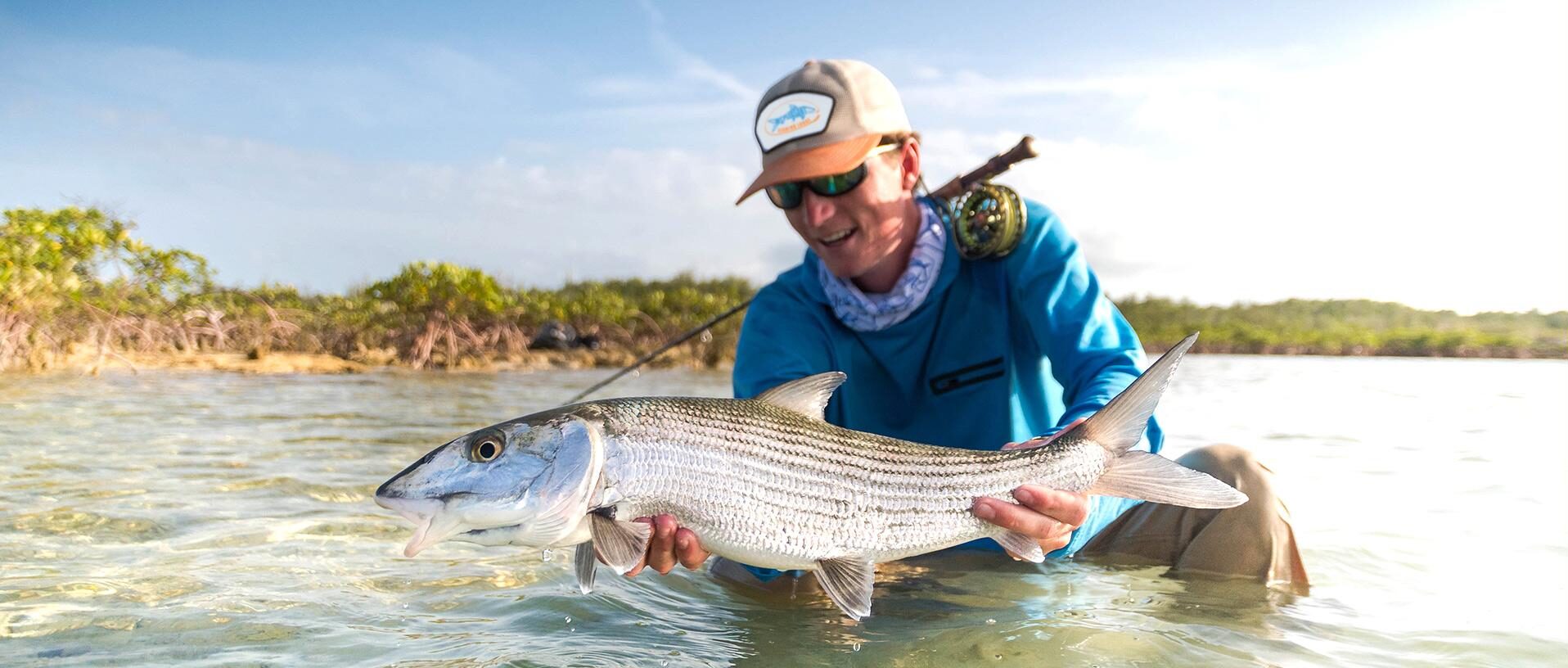
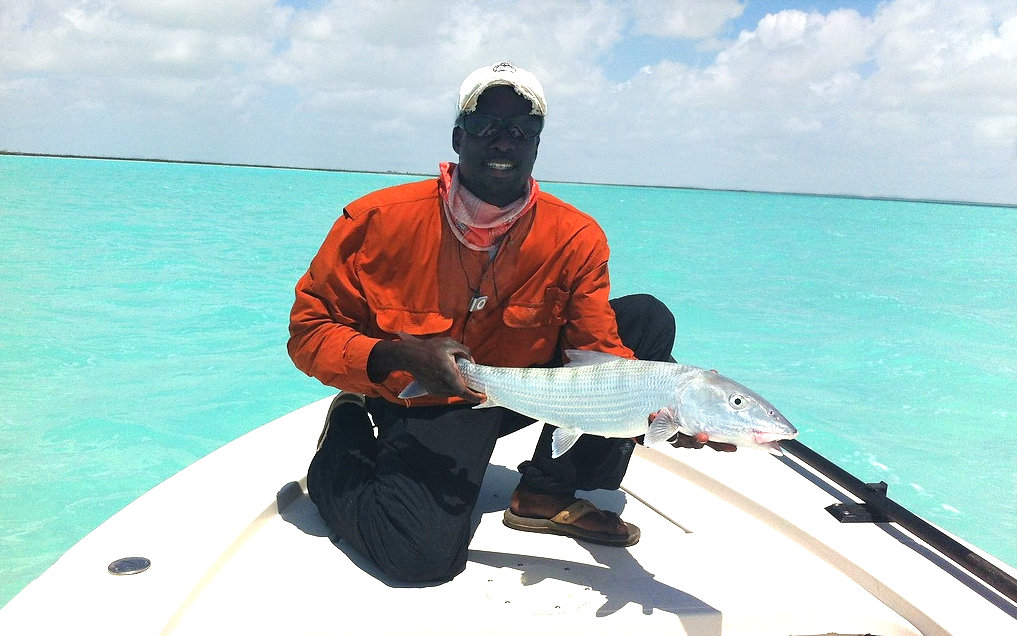
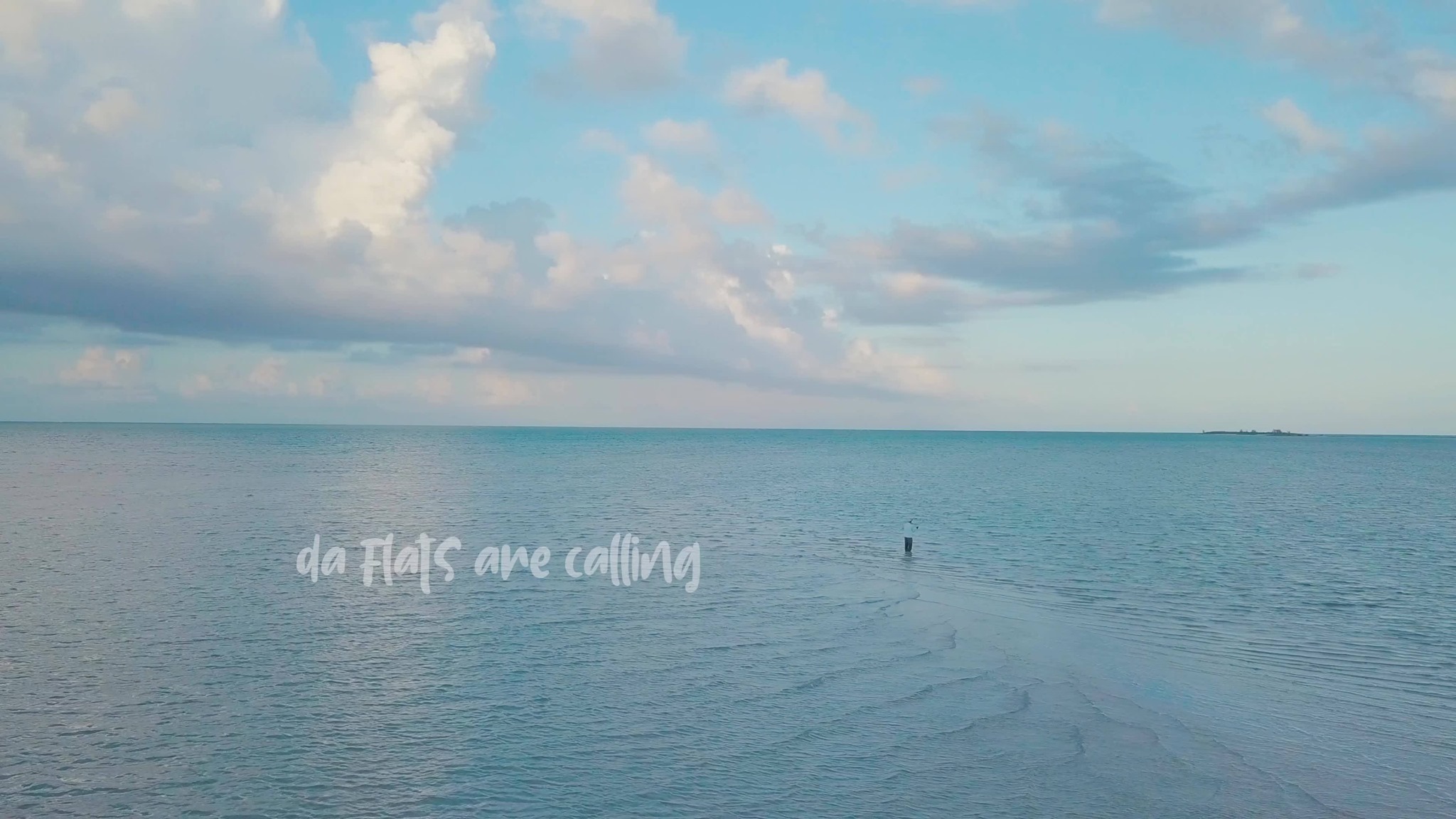
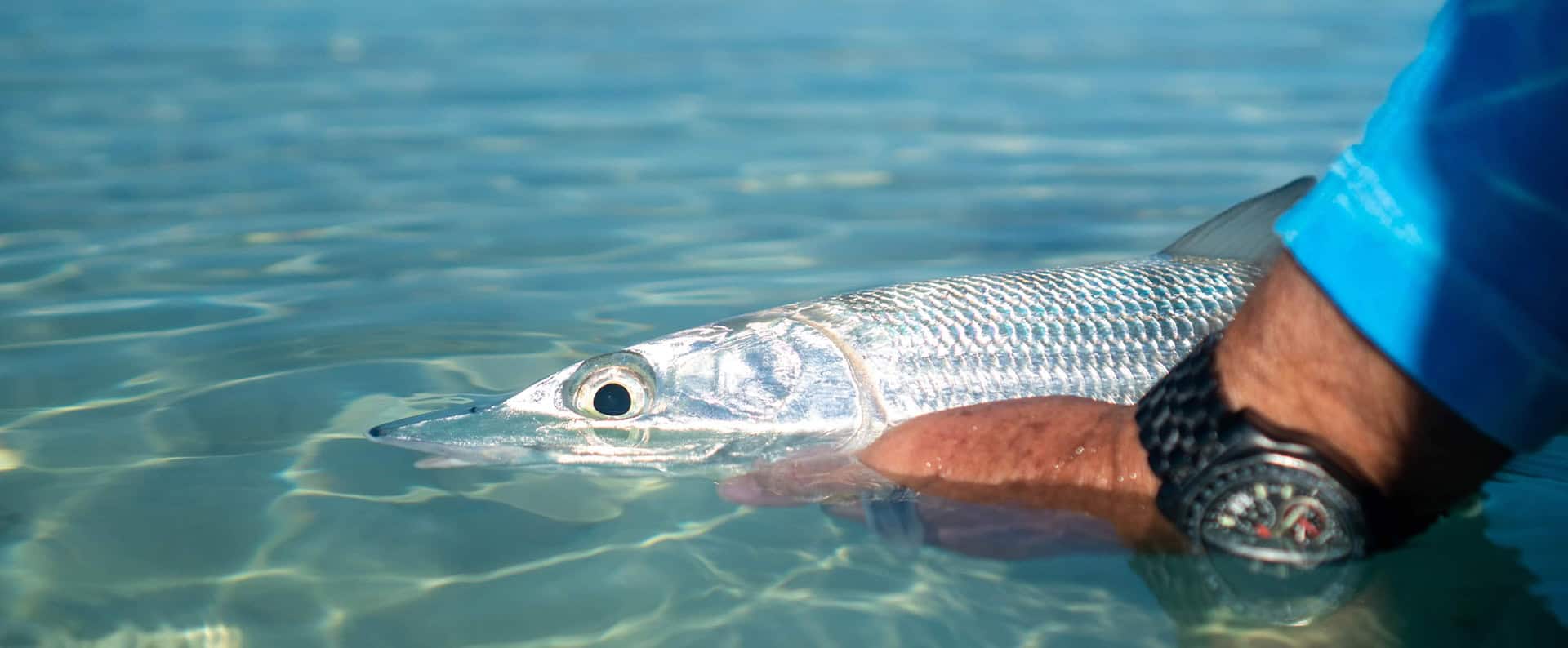
Bonefishing on the West Coast is legendary but inaccessible by land. The flats are reached only by boat. If you are not staying at a fishing lodge that includes boat transport, you will need to hire a guide. DIY wading is limited to specific accessible areas near Conch Sound.
Two Distinct Coastlines
The East Coast faces the reef and the deep ocean. The West Coast faces the shallow Bahamas Bank. Beaches on the east side have more wave action. Beaches on the west side are calmer but muddier. The ocean hole at Conch Sound sits directly on the east coast road; you can park and walk to it.
Fresh Creek Is the Logistics Hub
Andros Town and Fresh Creek have the island’s most reliable selection of grocery stores, gas stations, and services. If you are staying in North or South Andros, stock up here before heading to your final destination.
Temperatures by Season
- December to April: 70°F to 80°F (21°C to 27°C). Dry season. Comfortable for hiking and reef snorkeling.
- May to June: 75°F to 85°F (24°C to 29°C). Warmer. Excellent diving visibility.
- July to October: 80°F to 88°F (27°C to 31°C). Hurricane season. Reef stays warm.
What to Pack for Andros, Specifically
Water shoes (sharp reef edges and rocky shorelines), a dive mask and snorkel (the reef is accessible from many beaches), polarized sunglasses (essential for spotting reef channels), insect repellent for inland excursions, and a rash guard for extended time on the water.
Night Driving Is Not Advised
Roads outside main settlements are unlit and can have potholes or livestock. Complete your travel between towns during daylight. Sunset is around 5:30 pm in winter and 7:00 pm in summer.
Local Guides Unlock the Island
The best experiences, remote blue holes, creeks, and fishing spots, require local knowledge. Hiring a guide is not just for fishing. Guides can take you to swimming holes, cave sites, and viewpoints that are not marked on any map.
Sunday Rhythm Is Different
Church services are the main event. Many businesses close. However, some lodges and resorts maintain regular operations for guests. Ask your accommodation about Sunday meal service before booking.
How Long to Stay
Pick one region for a 3-5 day stay. A week allows you to explore two regions with a travel day between them. Trying to cover the entire island in under 5 days results in more driving than relaxing.